Just off the coast of Yanbu lies a versatile diving site offering two distinct experiences. While one dive poses a challenge for advanced divers, the other provides a more relaxed experience for beginners. Nevertheless, both dives offer an unparalleled opportunity to explore the beautiful and diverse underwater landscape of the Red Sea.
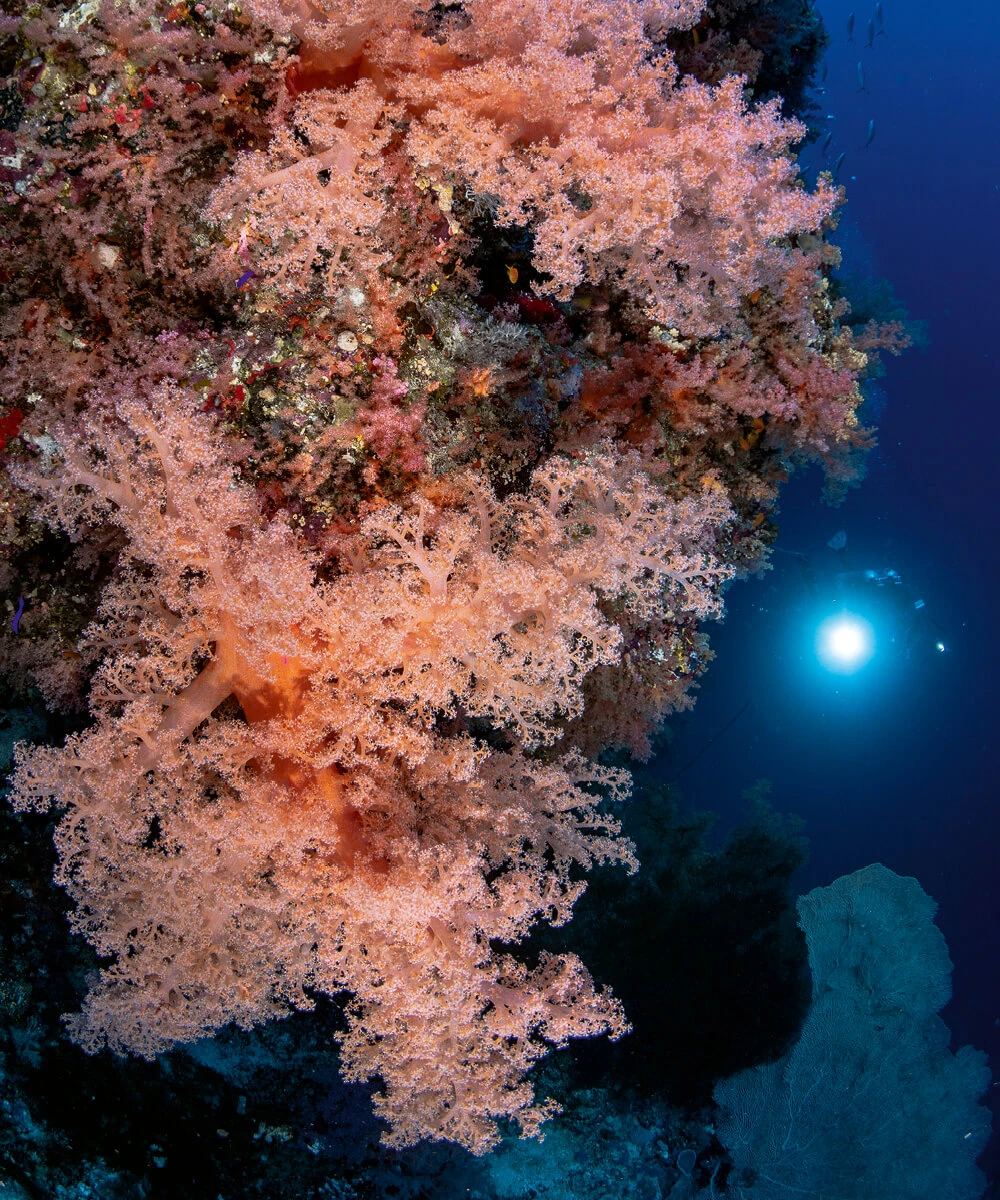
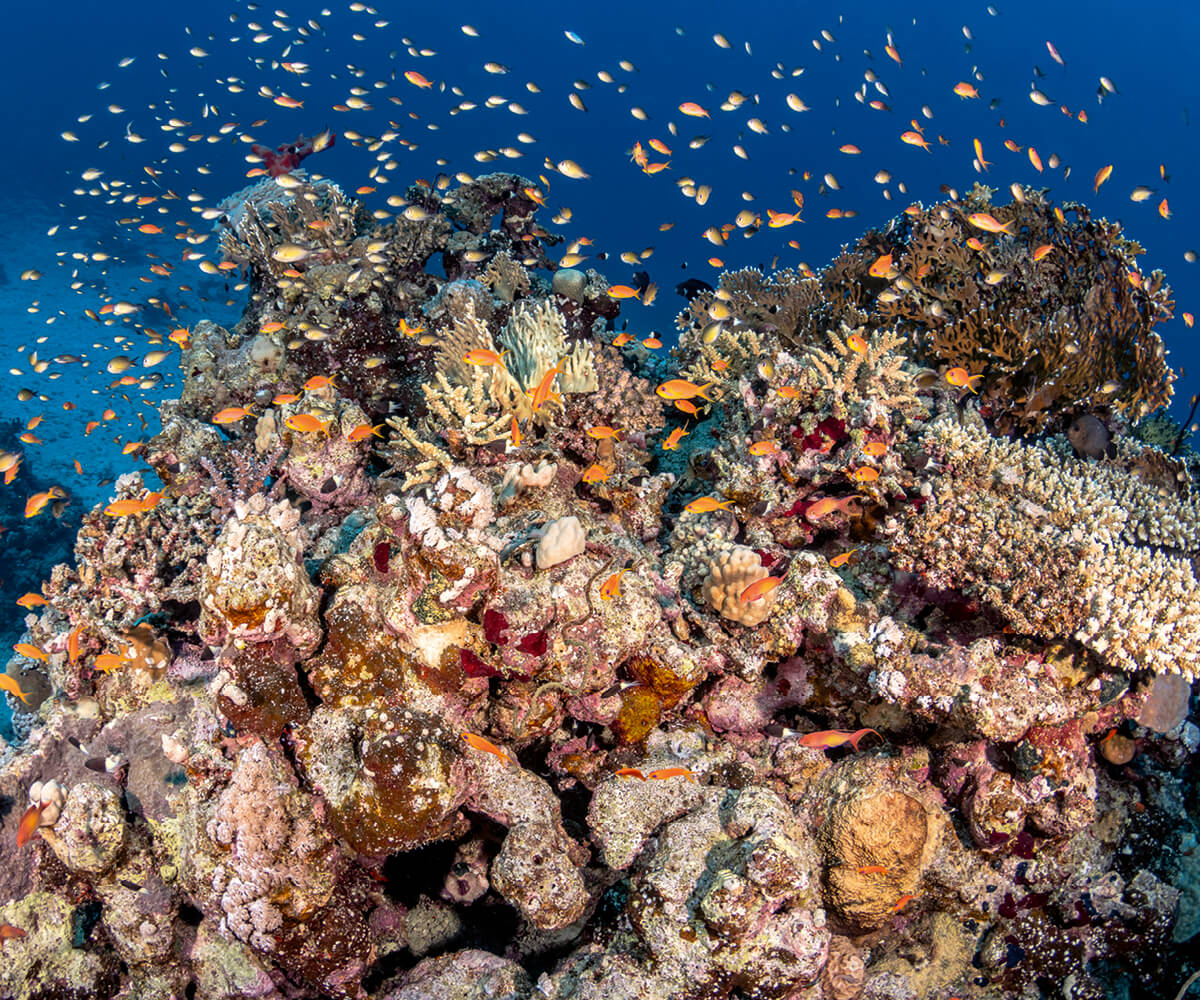
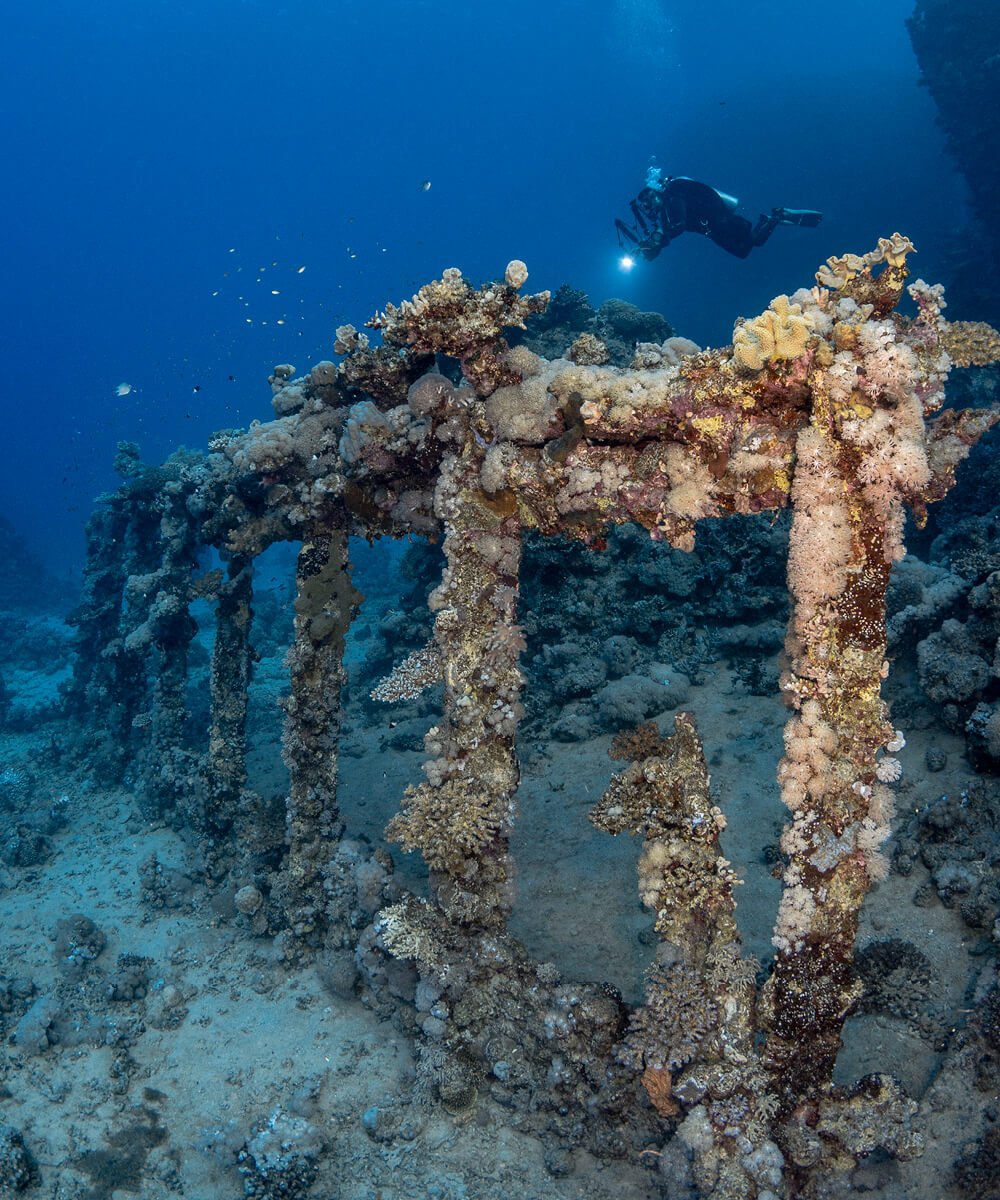
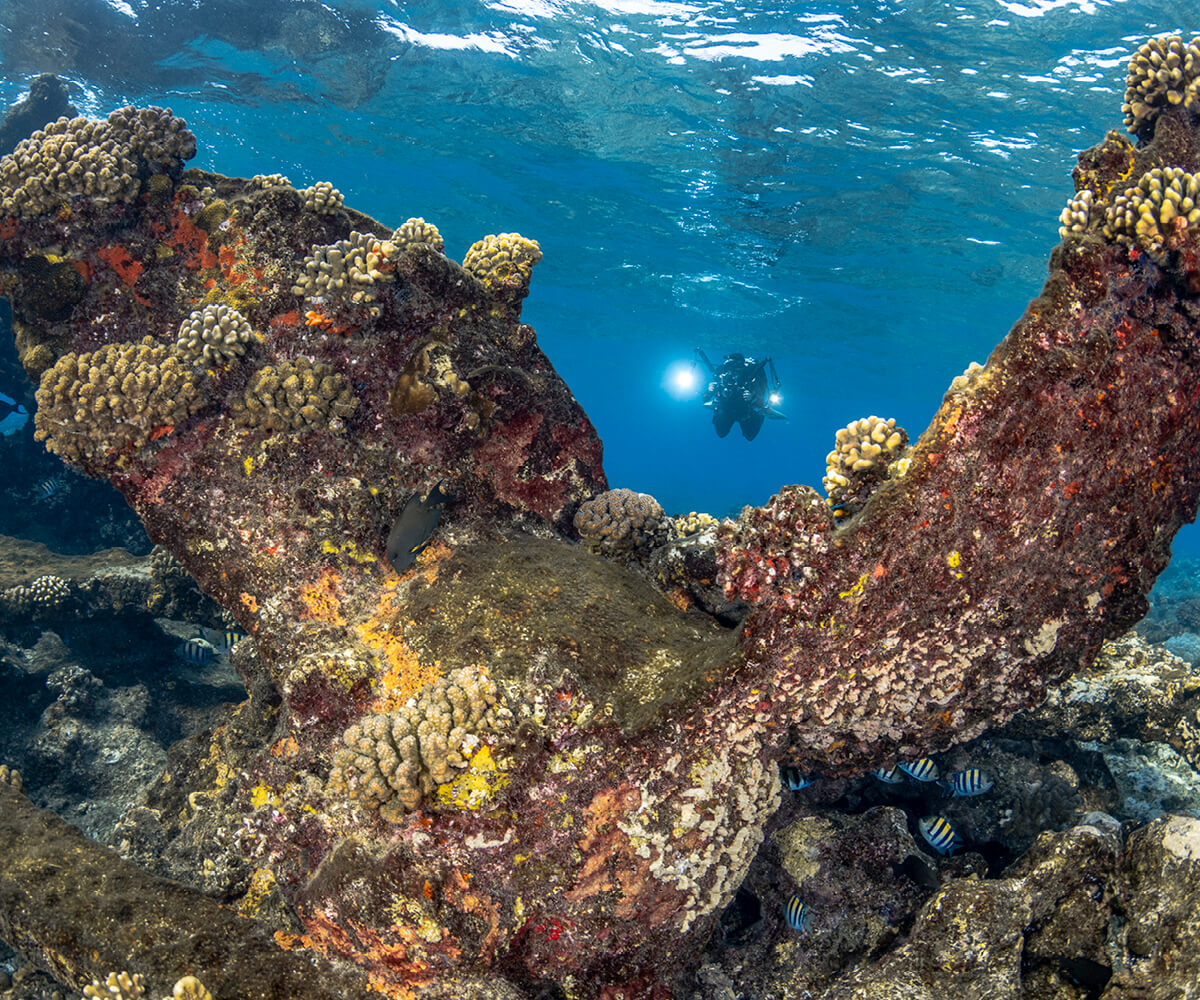
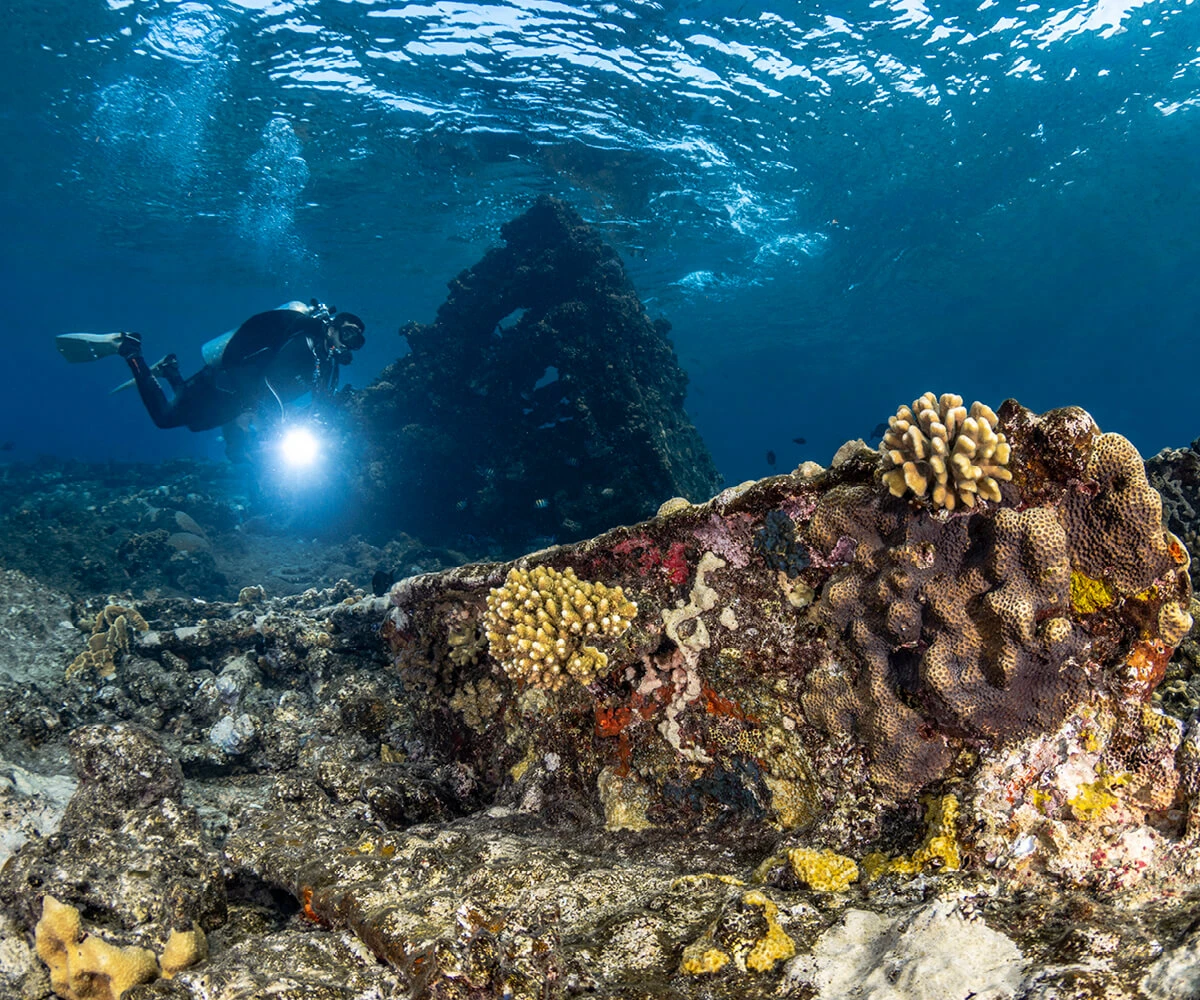
The first dive should be accessed using a mooring line, as the current here can be swift. The initial three-metre-deep ledge is home to sections of a shipwreck. After descending to the seabed 30m below, divers will come across the rest of the wreck, now fully reclaimed by the sea and covered in coral.
The true challenge of this dive will be revealed upon return, as you’ll need to navigate through the tall, thin pinnacles sitting just off the main plateau.
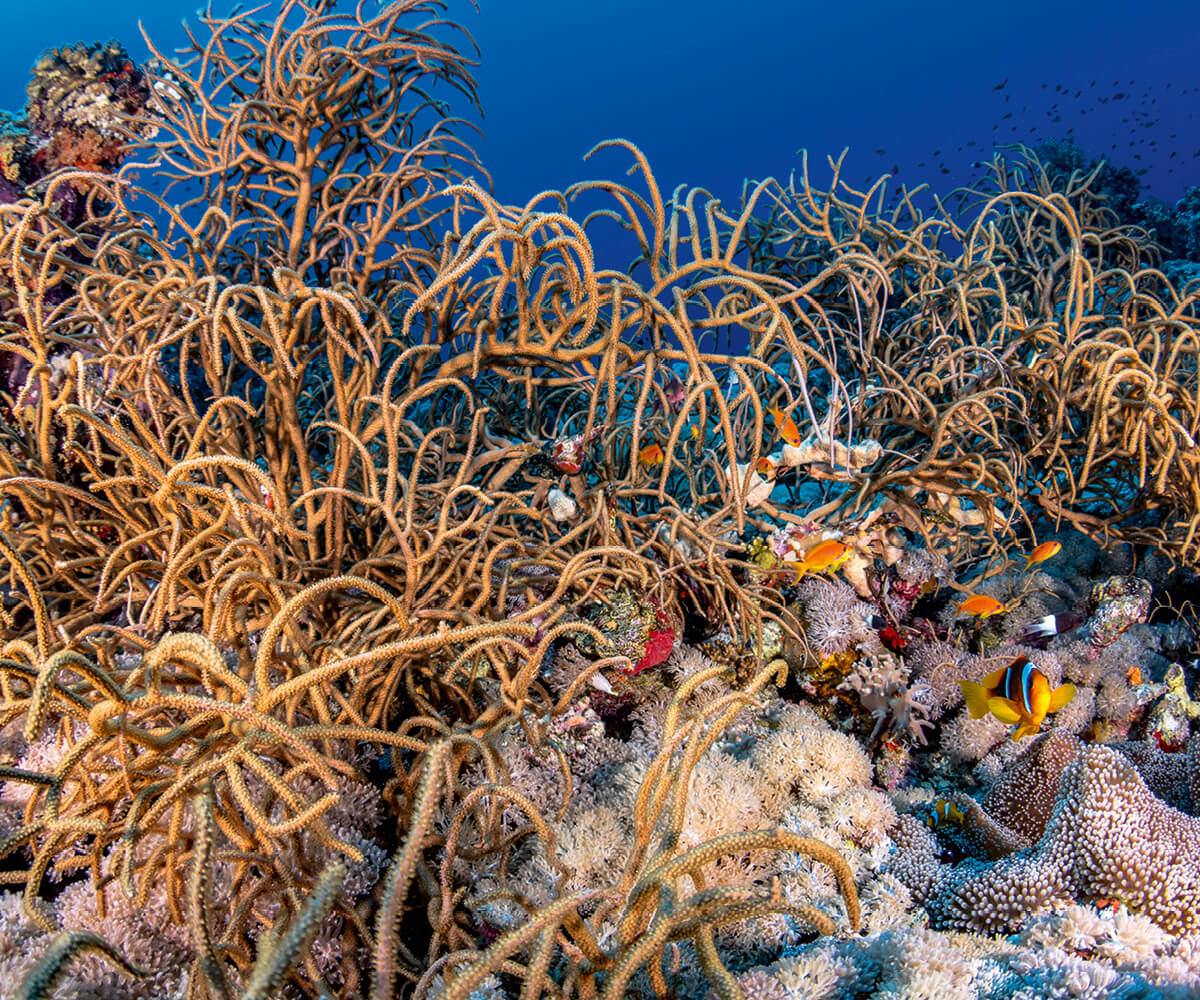
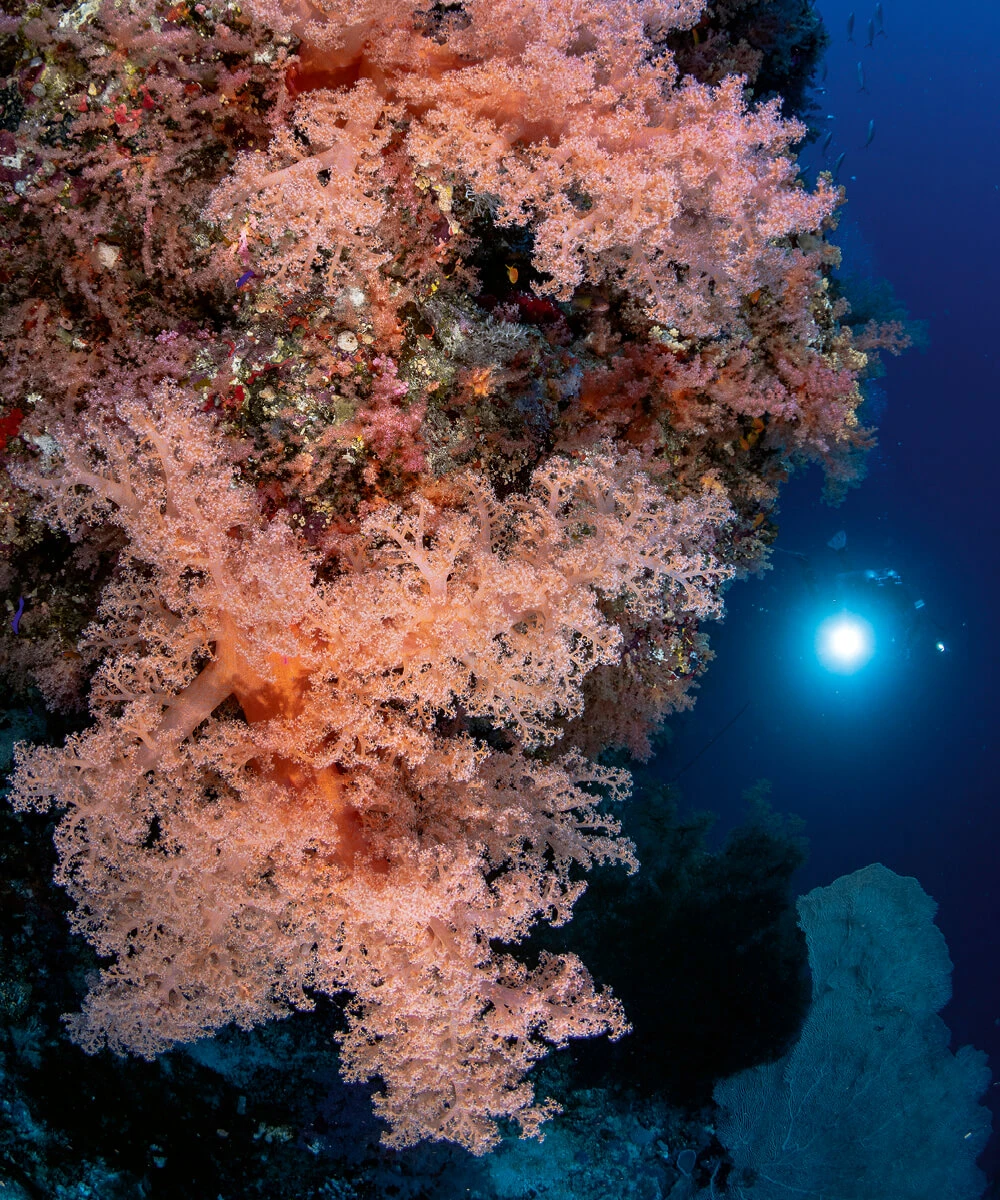
However, there are plenty of things to admire as you snake past the peaks, including sections of burnt-orange sea whip reaching out of the rocks and coral heads surrounded by shoals of beautifully coloured reef fish.
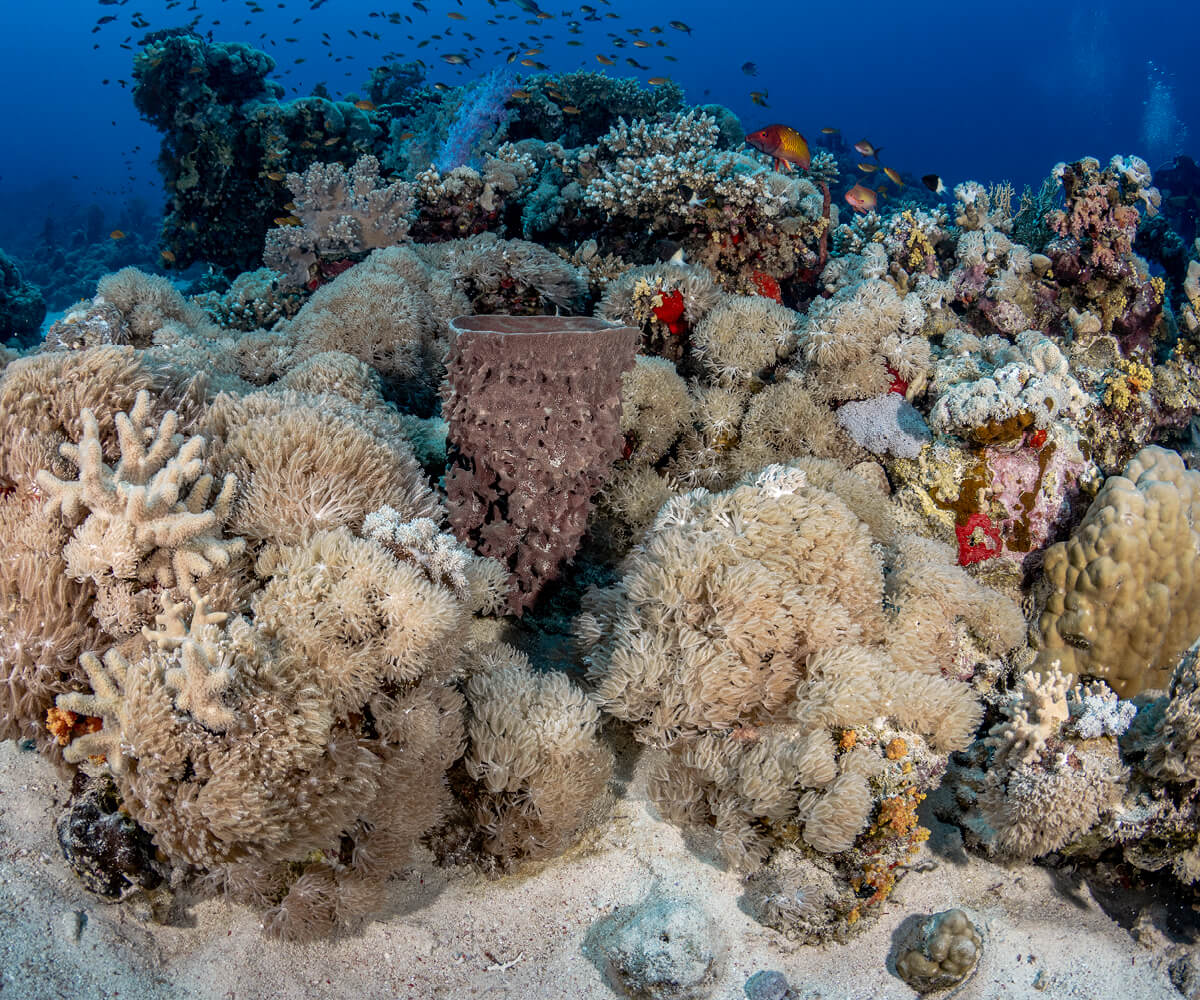
The second dive is serene and peaceful. Descending onto the flat, sandy seabed dotted with coral may seem unremarkable at first, but there are plenty of hidden treasures waiting to be discovered.
Swathes of voluminous bubble coral adorn the rocky outcrops, while sea plumes extend their delicate twig-like branches out to create an ethereal underwater forest.
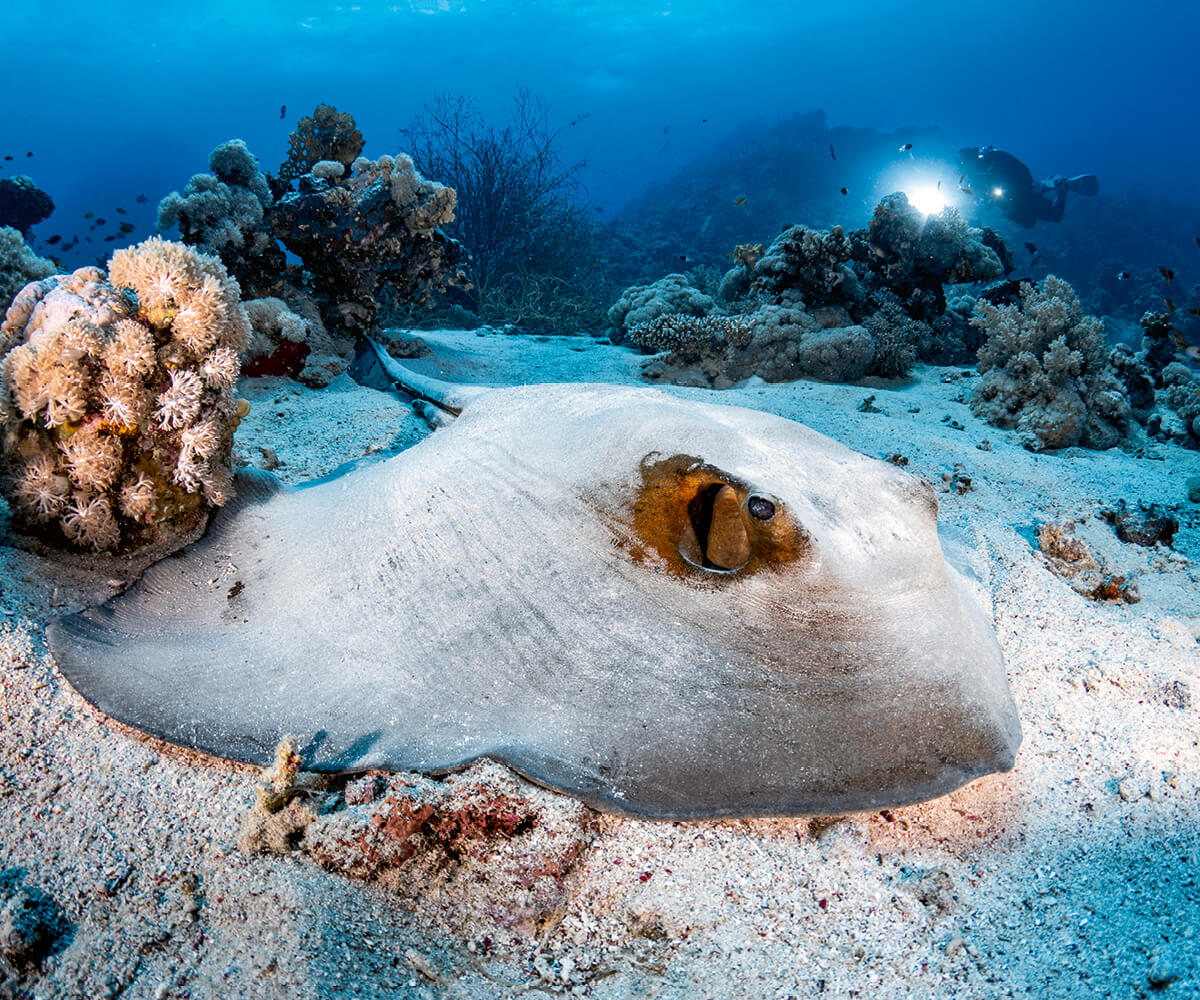
Anemones gently sway in the current, and every so often, fantail stingrays can be seen resting in the sandy gaps between these coral gardens. The silent rhythm of this underwater world invokes a sense of serenity and wonder.
This dive is a visual feast that should not be missed by anyone looking to explore the wonders of the Red Sea. Whether you’re looking for an exhilarating dive through a diverse underwater landscape or a serene swim amidst colourful coral and marine life, this site is a must-visit destination for snorkellers and scuba divers of all skill levels.
Corals get their colours (from striking hues to duller greens and browns) from algae, which contains a pigment called chlorophyll. However, corals can also change colours to adapt to differences in light and temperature conditions.