Um Al Hajr reef is home to two captivating shipwrecks that offer divers a unique underwater adventure. The diving conditions in the area cater to divers of various skill levels, featuring excellent visibility, minimal currents and a diverse array of marine life. The reef is adorned with vibrant coral formations and teeming with colourful fish, creating an unforgettable diving experience.
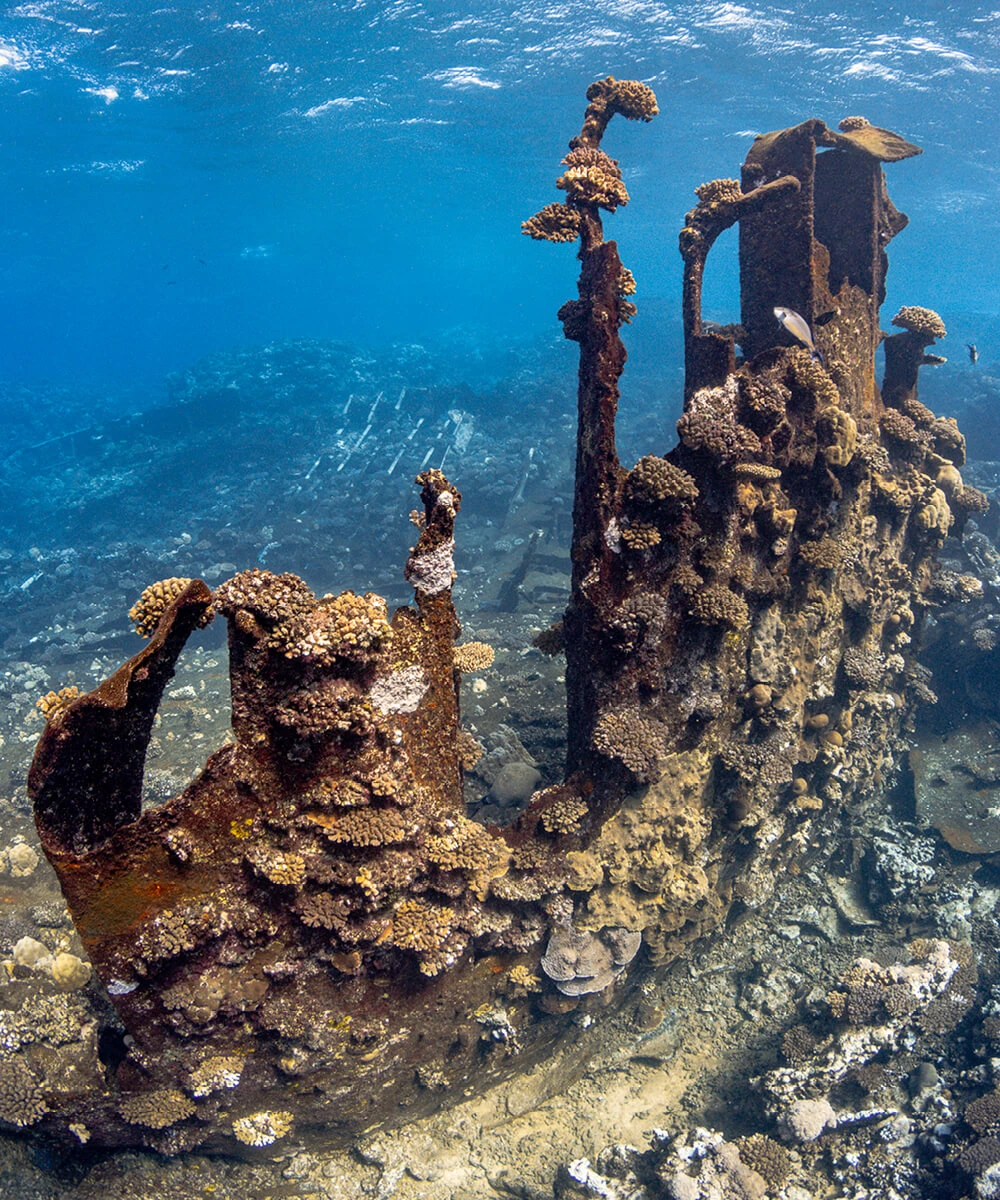
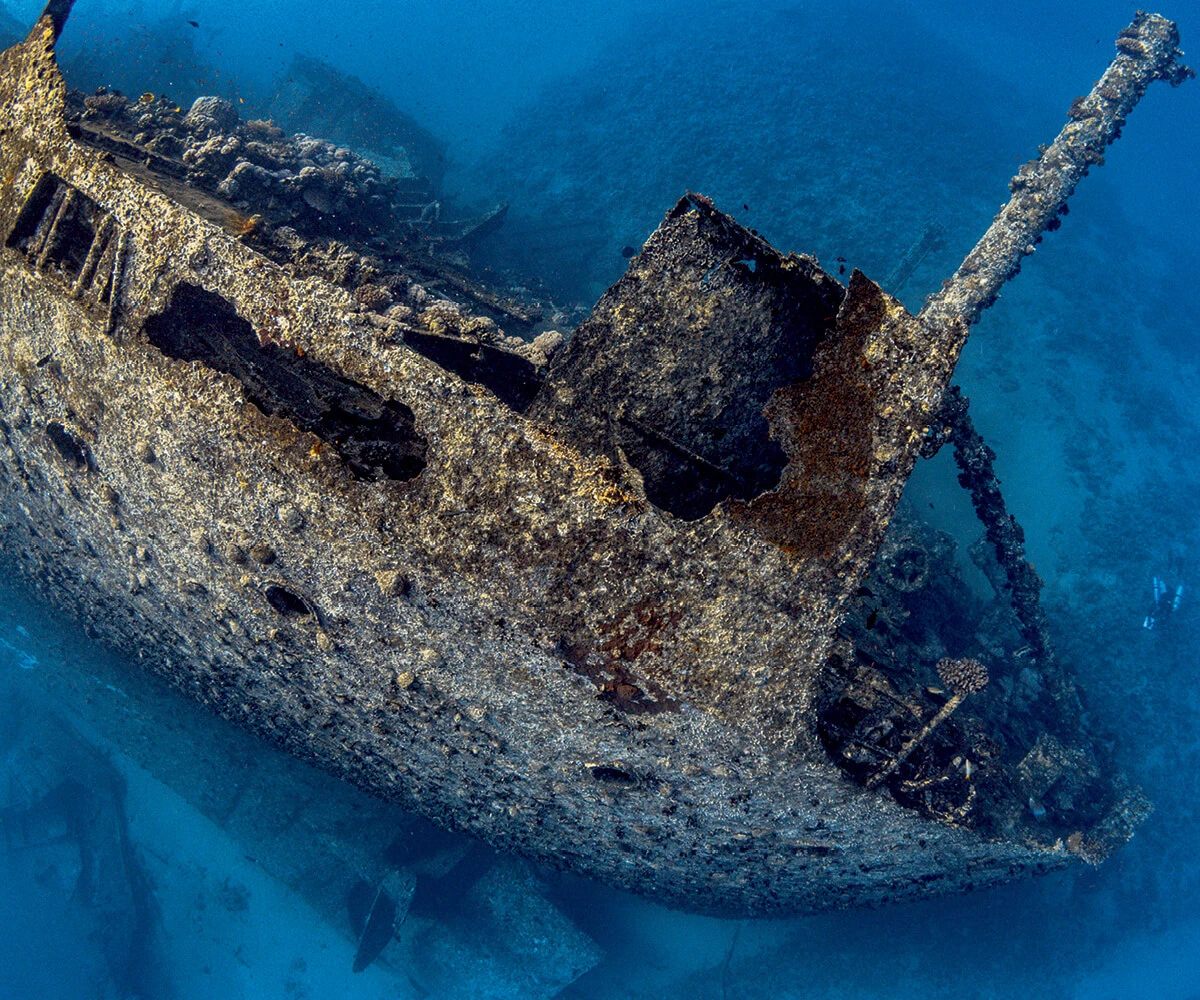
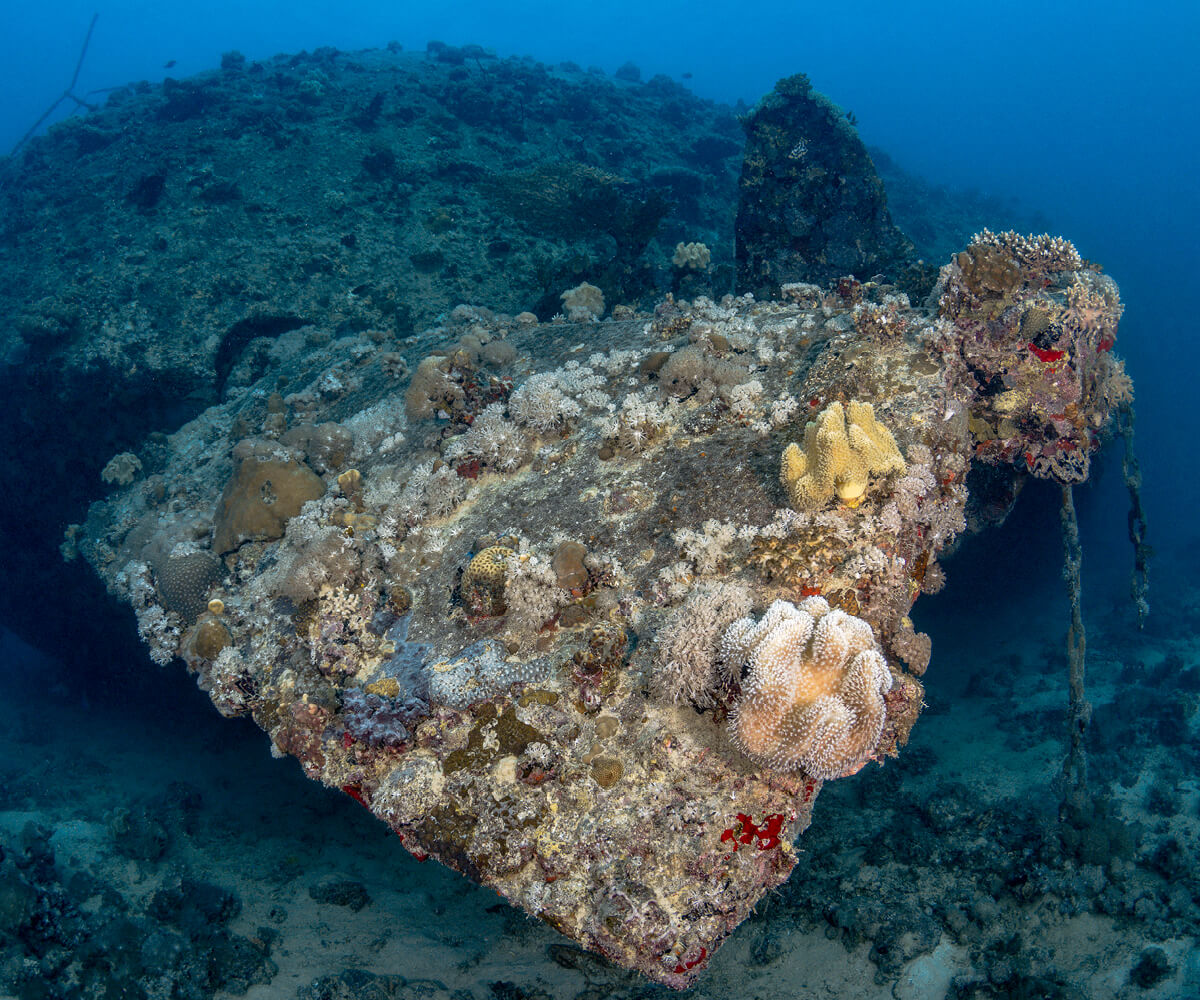
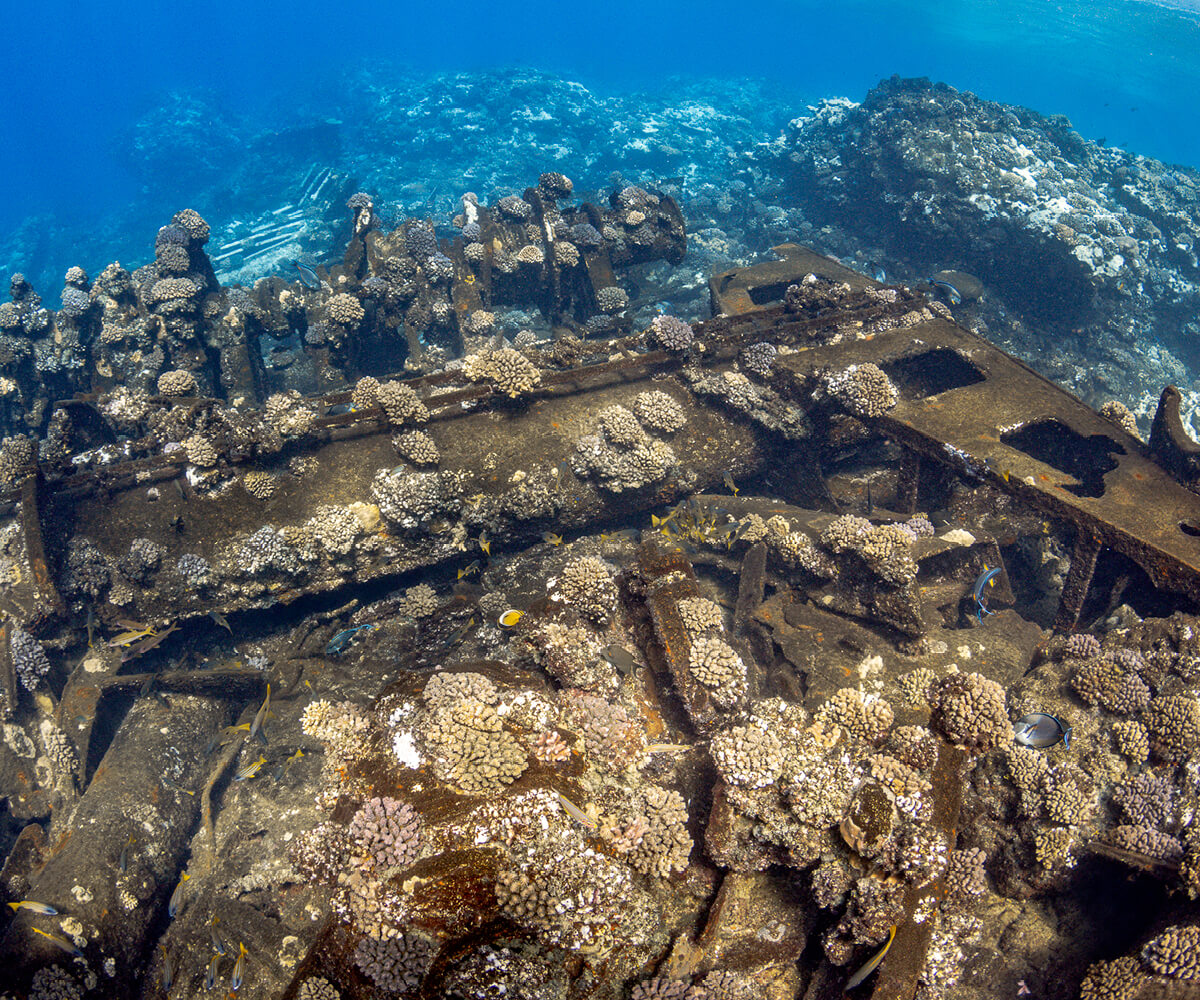
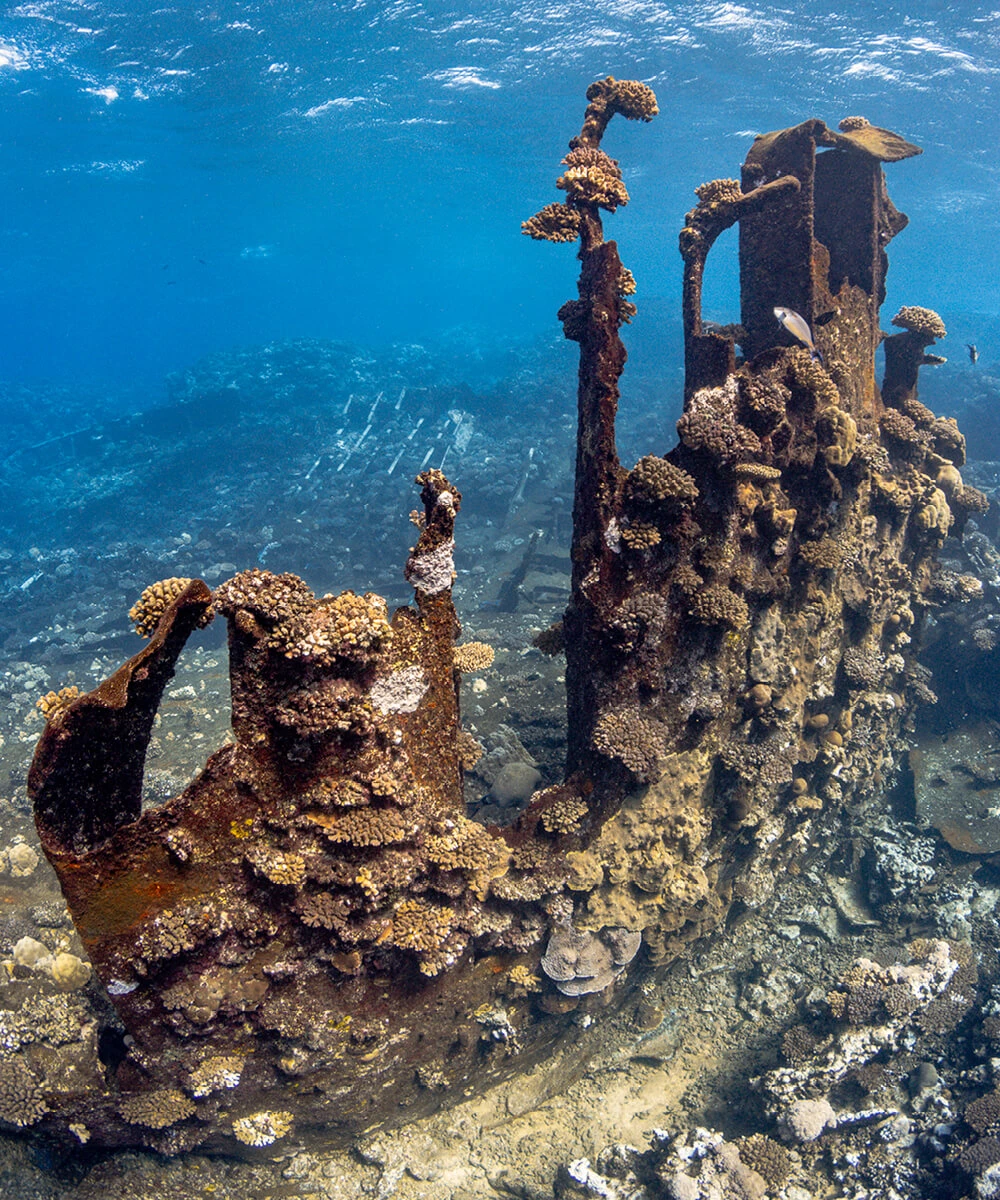
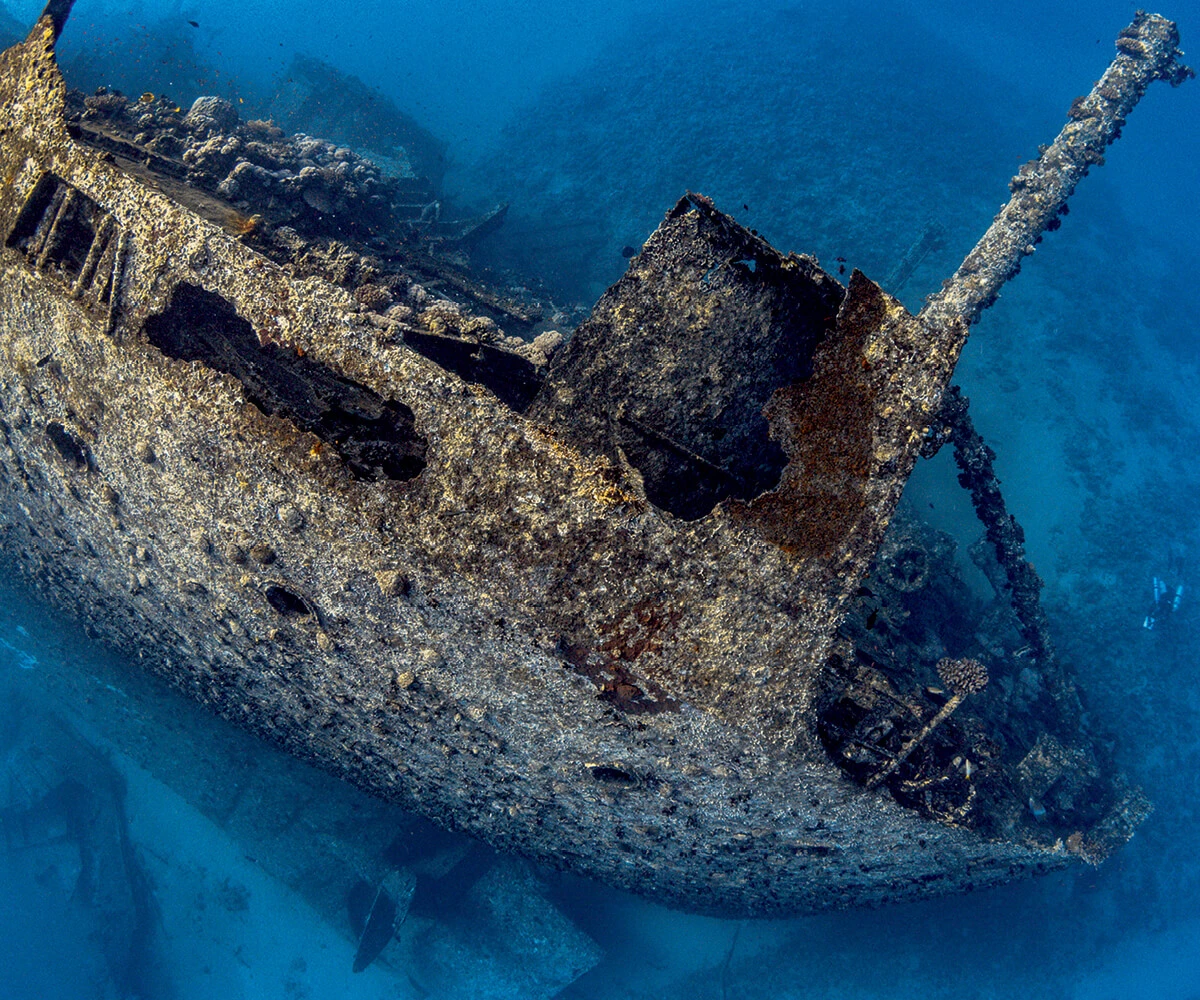
The first dive site, known as Chicken Wreck, is a beautiful shipwreck nestled in the reef at a maximum depth of 18m. The Greek vessel sank in 1976 while carrying a cargo of frozen chicken, hence its peculiar name. Some of the chicken bones can still be seen inside the ship. The ship remains remarkably intact and is now decorated with a stunning array of hard and soft corals.
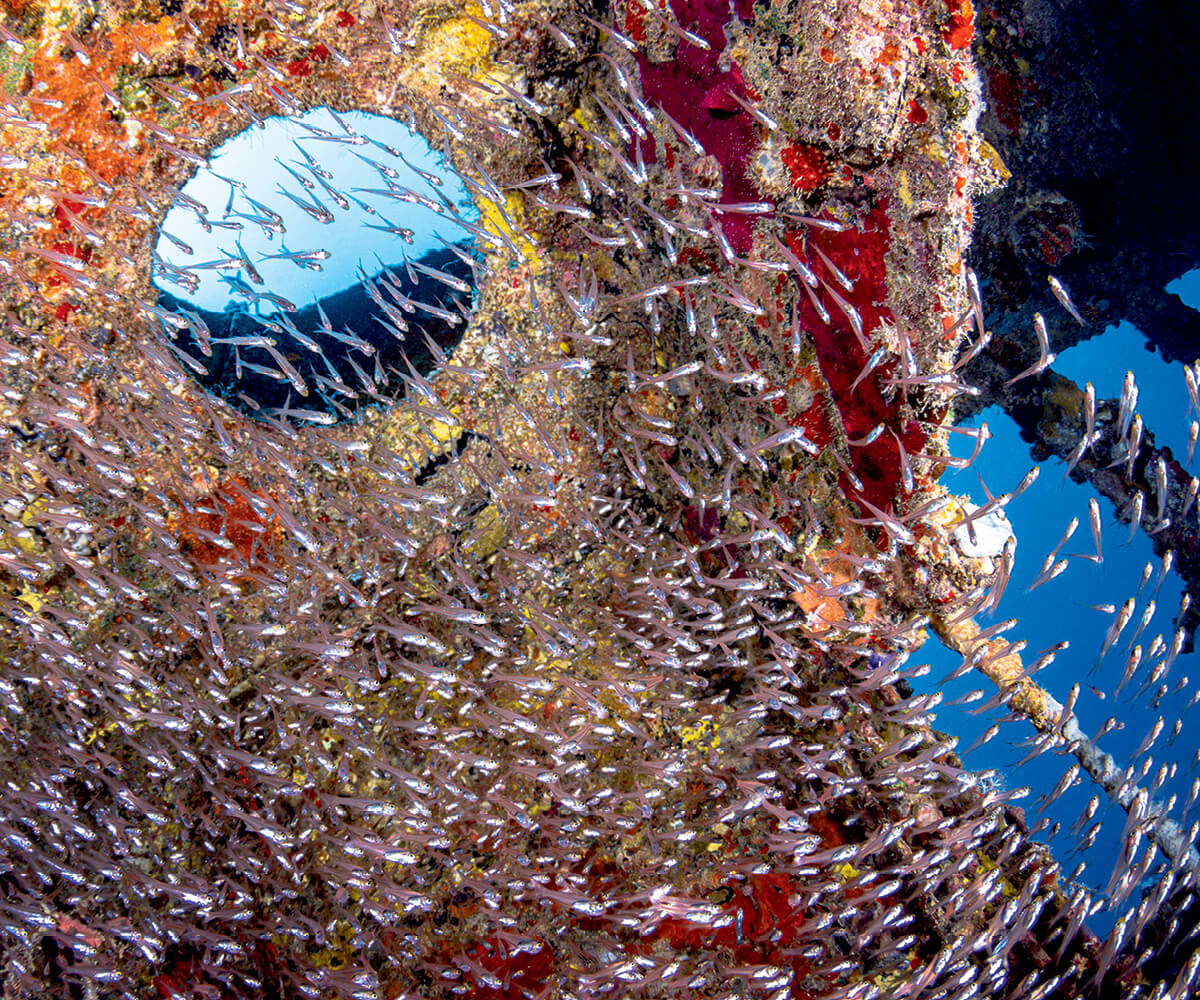
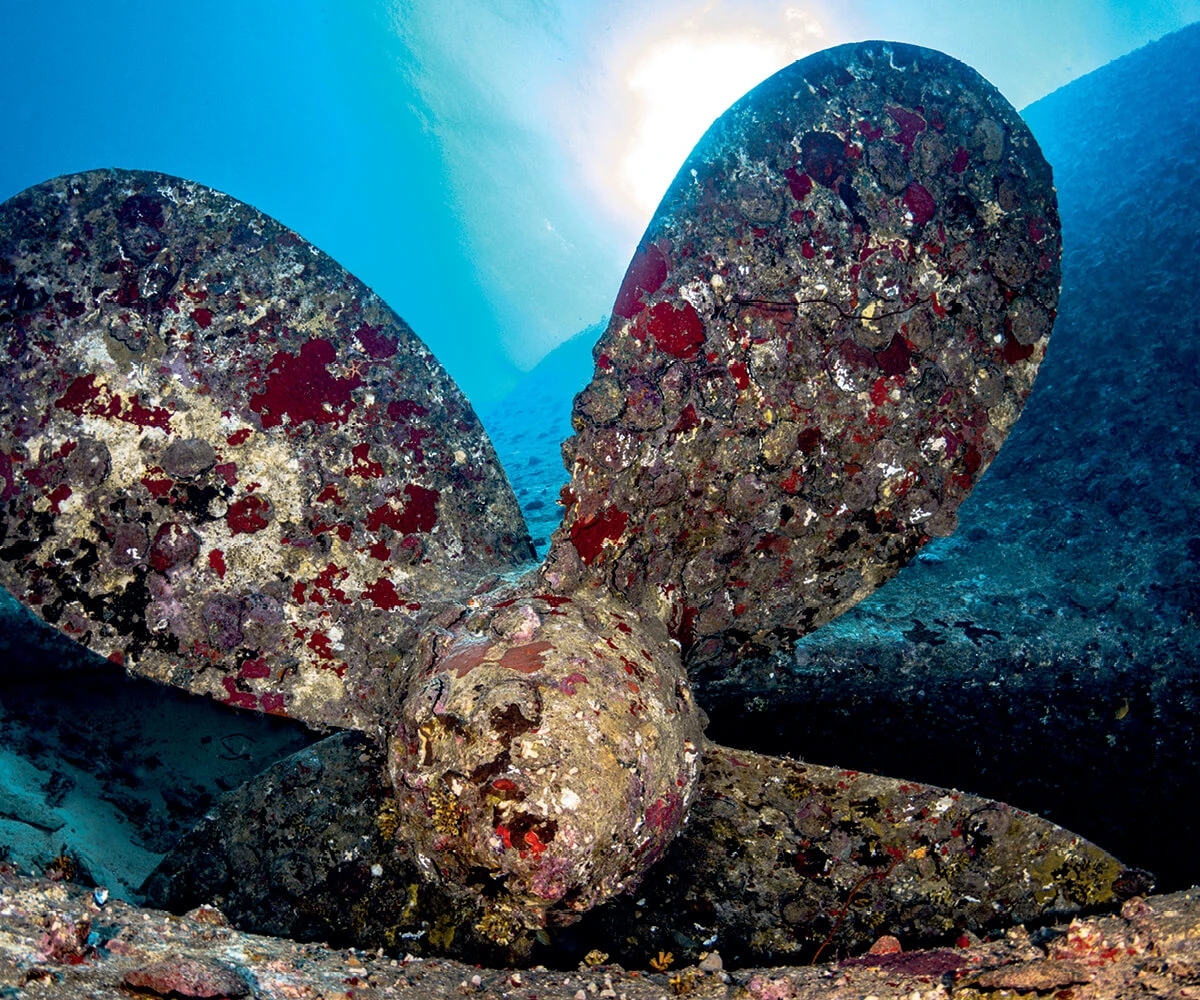
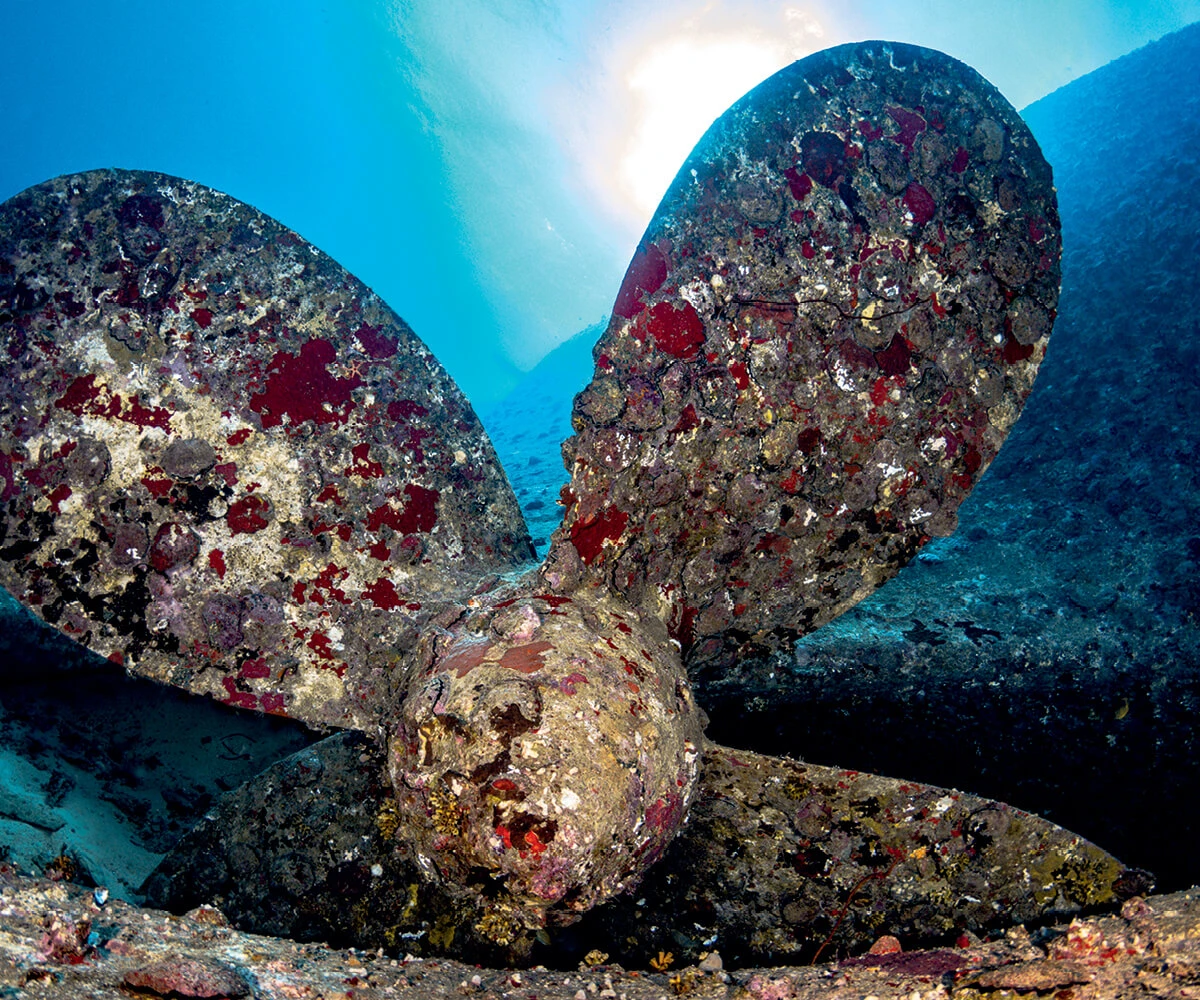
The propeller can be spotted at a depth of 18m. While exploring the wreck, divers will have time to marvel at the abundant marine life, including tuna, eels, soldierfish and barracudas. Blackside hawkfish, distinguished by broad black bands on the rear of their bodies, appear to perch purposefully on top of coral as they await their prey. Meanwhile, slender pipefish, a close relative of the seahorse, glide effortlessly around the ship, unperturbed by nearby swimmers.
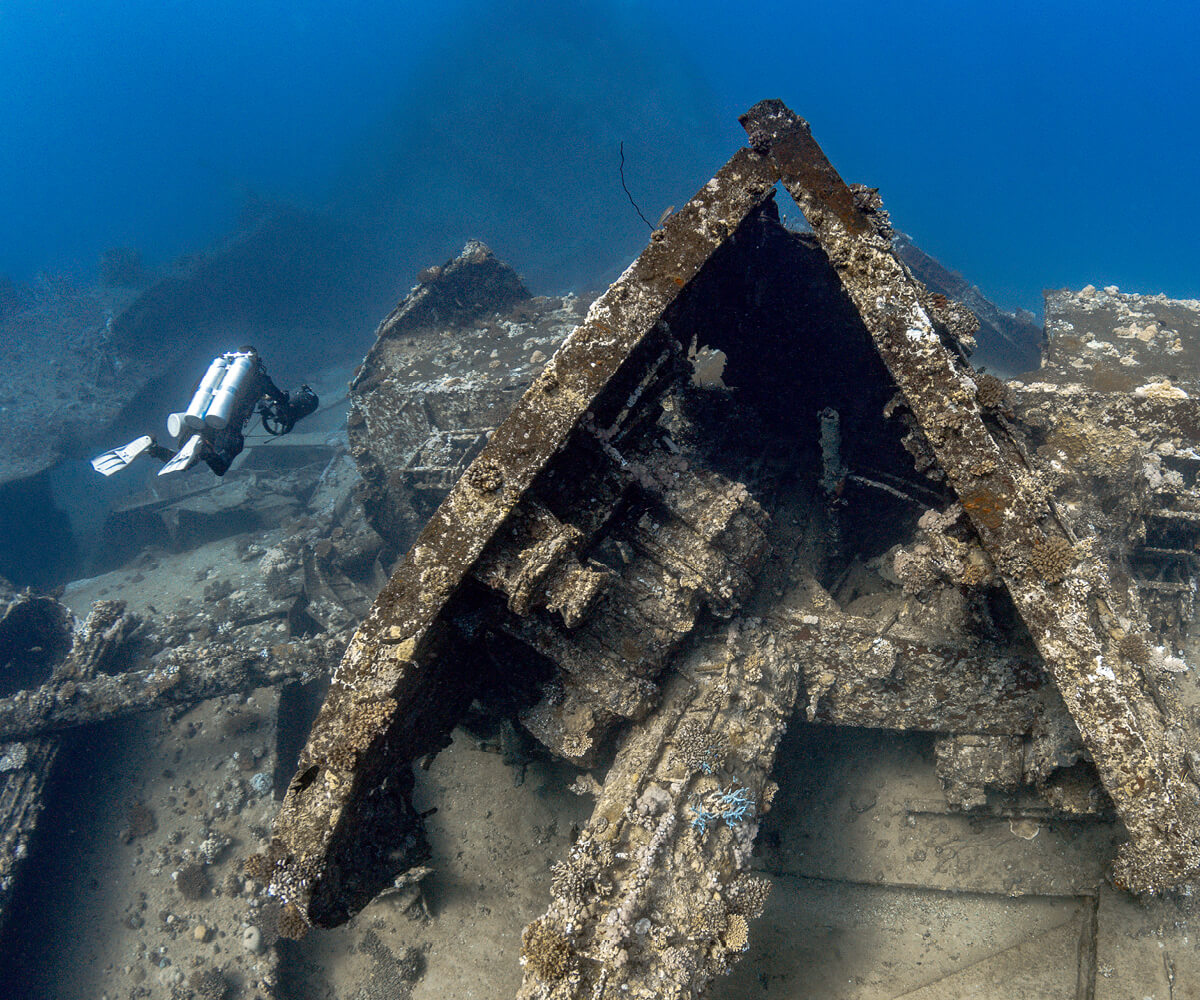
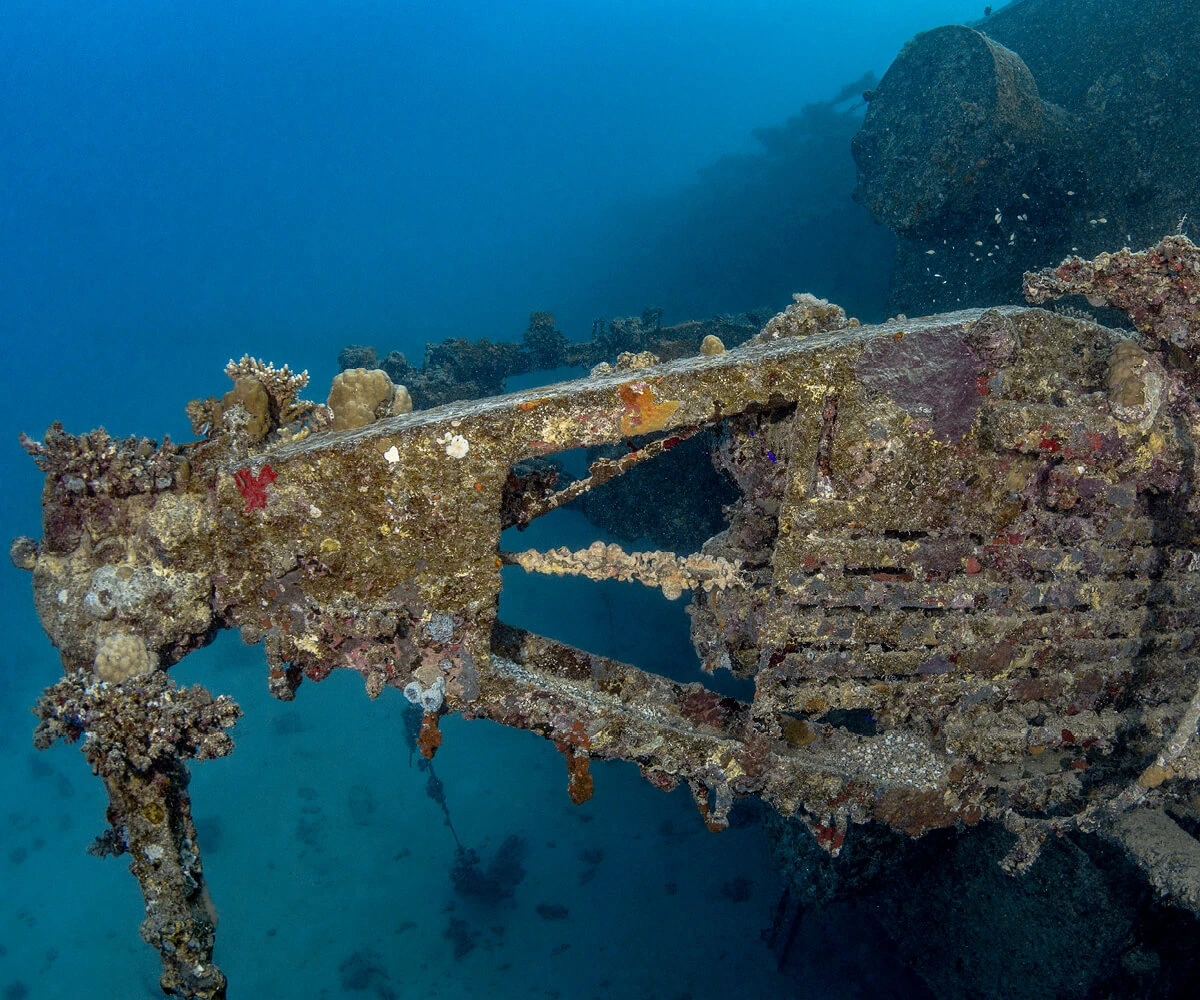
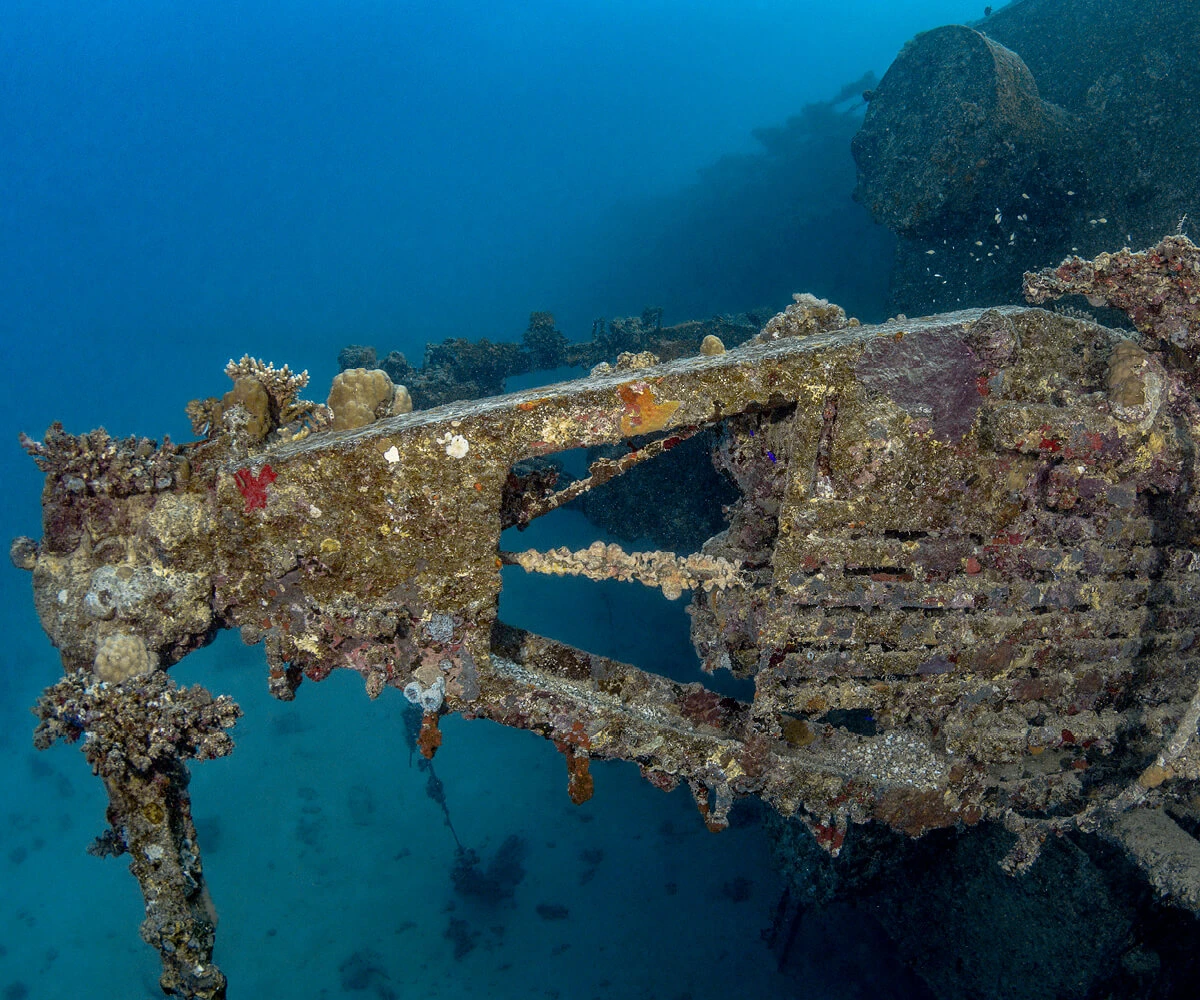
The second dive site, Anan Wreck, is a more challenging and adventurous dive, recommended for advanced and experienced divers. The Libyan-registered vessel ran aground on the Abu Framish reef in 1983 and now stands upright, with its bow firmly lodged into the reef. The fragmented wreck is coated in a thin layer of algae and adorned with coral, giving it an eerie, otherworldly appearance. The dive route covers the entire length of the ship, including the propeller and the surprisingly pristine toilet left standing on the deck. Divers can expect to encounter a wide variety of marine life such as surgeonfish, unicornfish, red soldierfish and even the occasional whitetip shark or stingray hiding in the sand.
Whether you’re a beginner or an experienced diver, the vibrant colours and bustling activity of the wrecks at Um Al Hajr make this reef a must-see destination for any diver.
A shipwreck’s rate of decay is dependent on numerous factors including salinity, depth, location and time spent underwater. Made up of dead sea creatures, the calcium carbonate crust that forms over shipwrecks actually helps to preserve them. The crust creates an anoxic environment which prevents oxygen from corroding the metal.
See More...






 Top Dive Time