This dive provides the perfect opportunity to explore both land and sea as the city of Rabigh and the surrounding towns and villages have much to explore.
It’s highly recommended that you enjoy the area’s beautiful beaches and delicious seafood restaurants before heading out to the dive site.
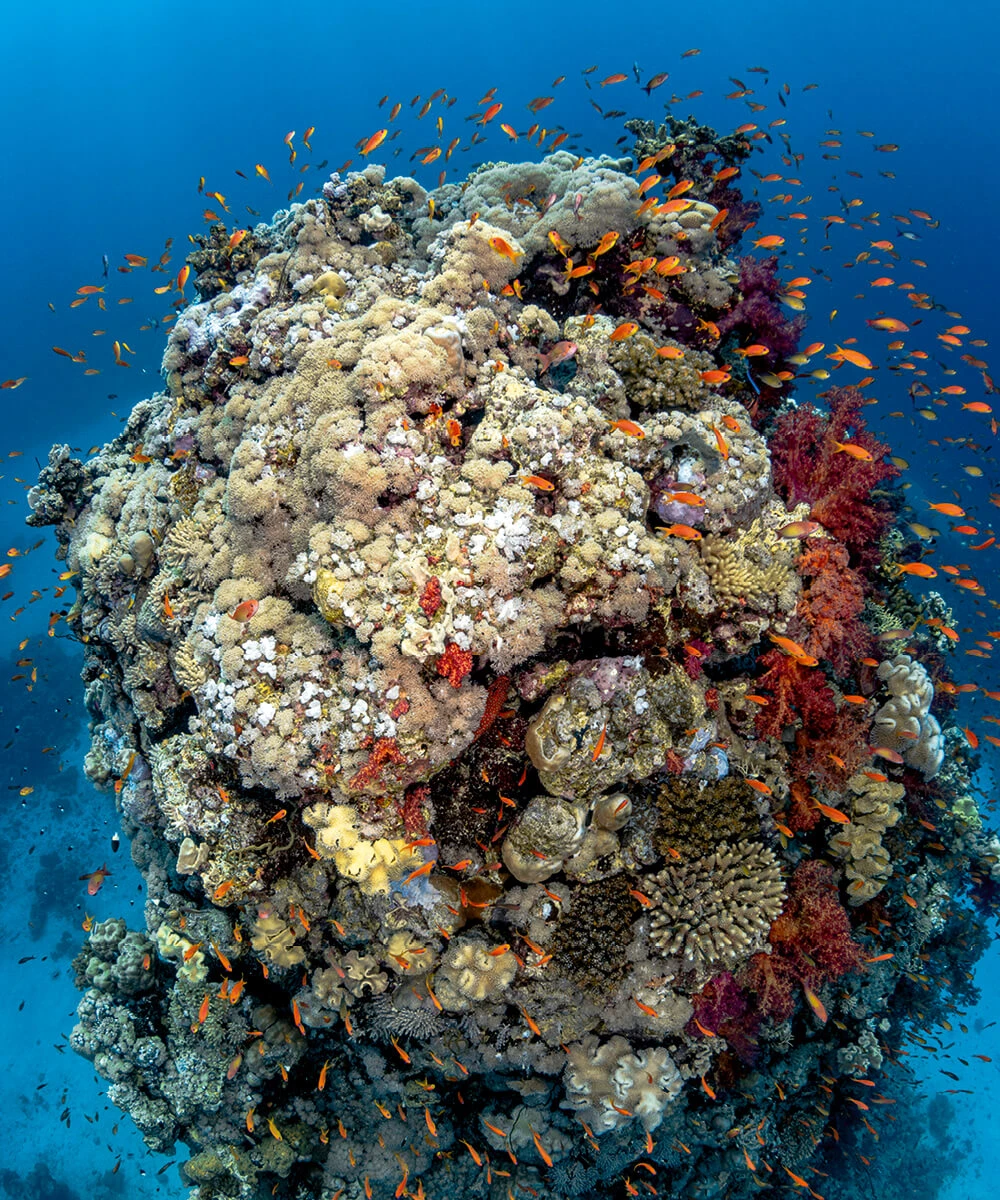
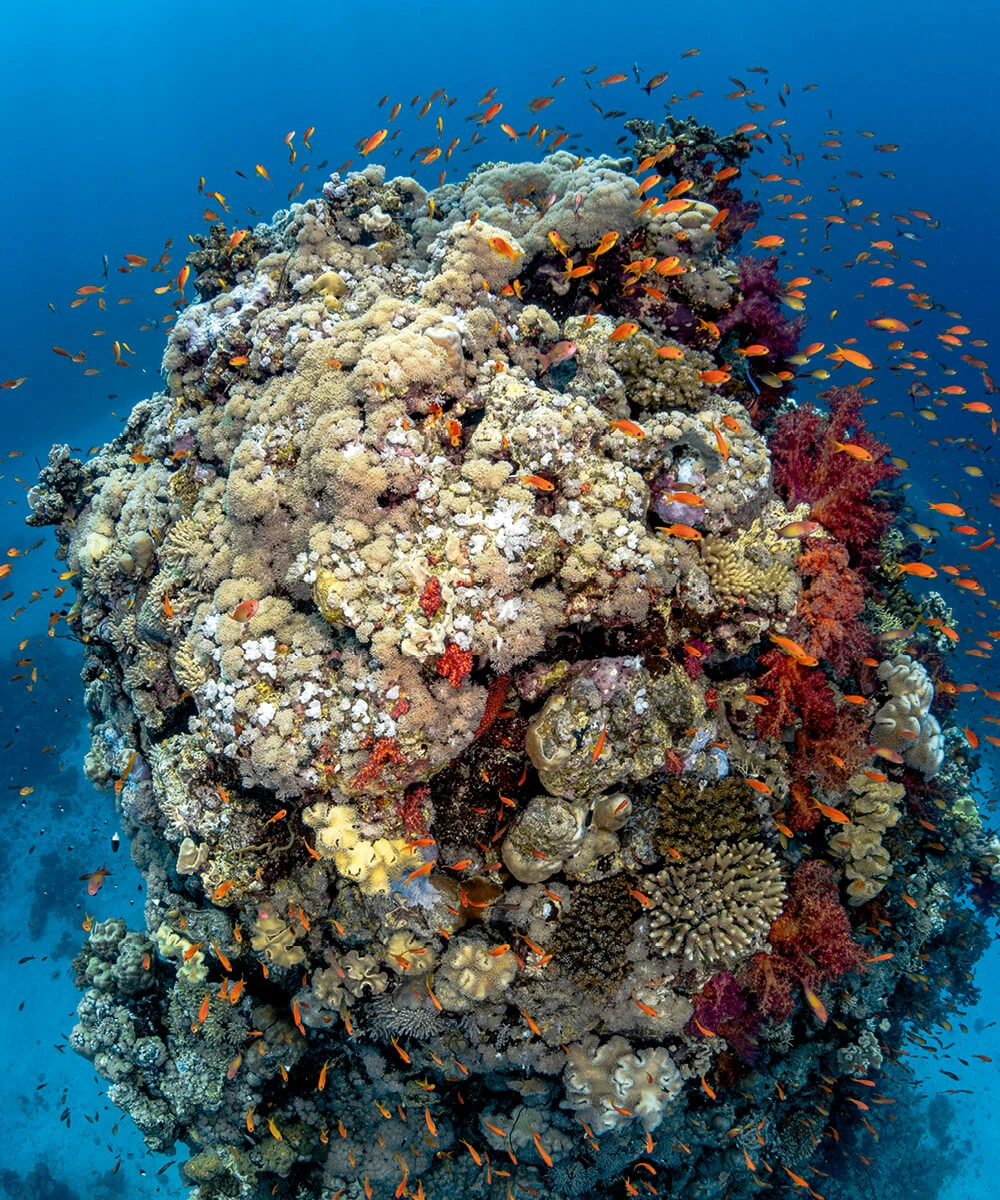
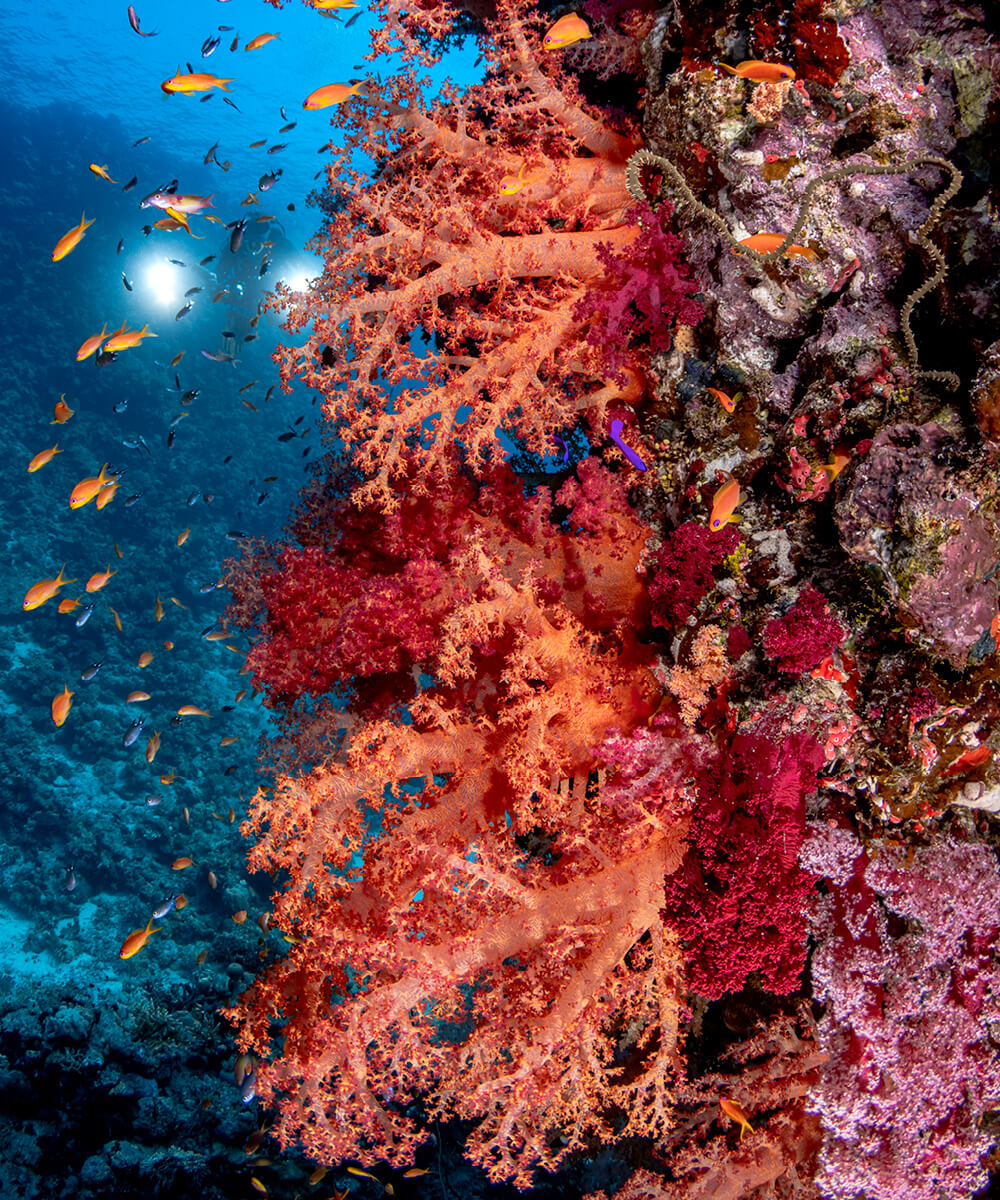
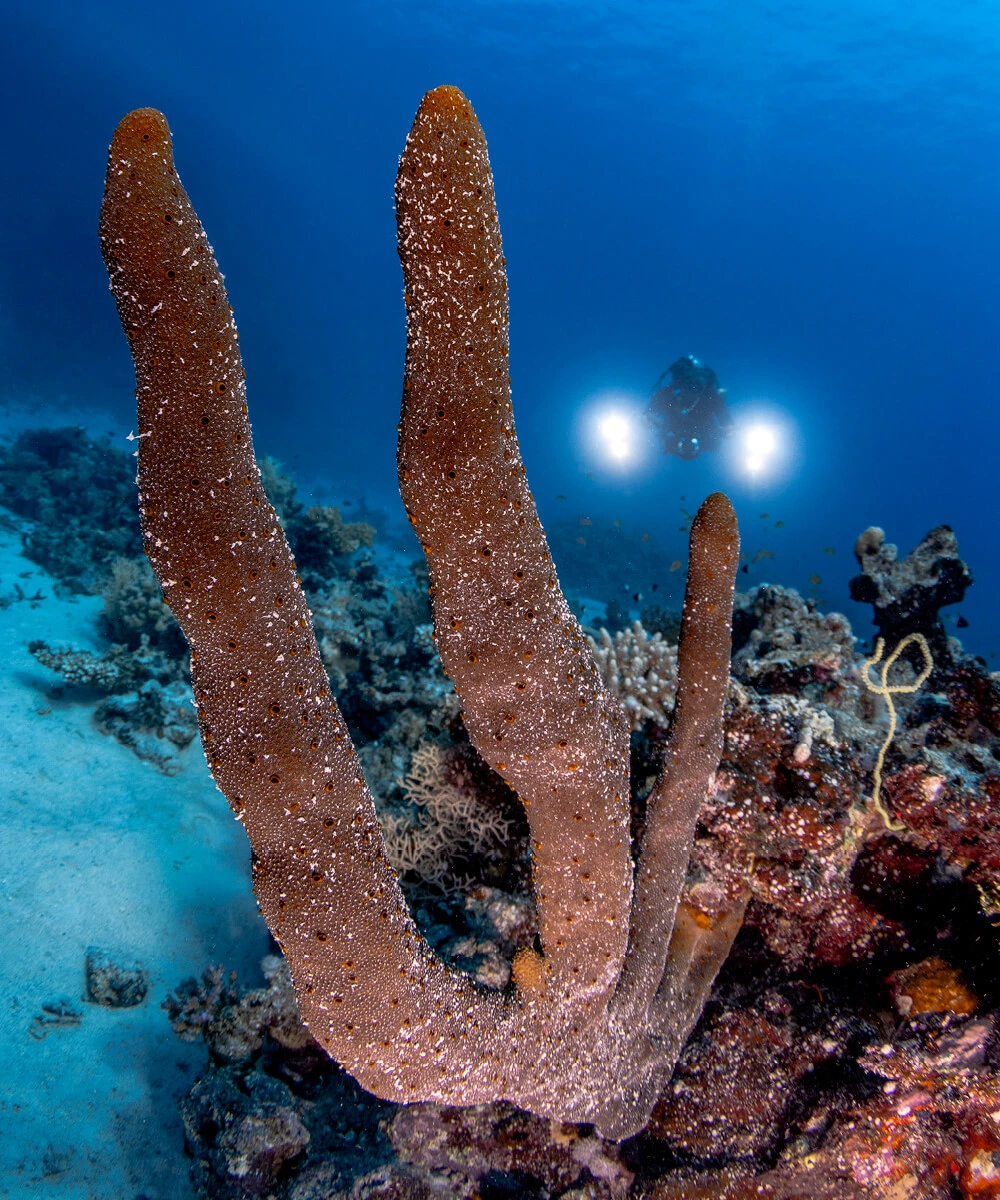
Once you’ve had your fill of the coast’s terrestrial delights, the crystal-clear waters of the Red Sea provide an incredible setting for divers to explore the spectacular coral formations and rich marine life of Abu Sahim Reef. Coral pinnacles of differing heights reach out of the sandy seabed that surrounds the main reef. These marine totem poles are covered in an array of beautifully coloured (mostly) hard corals that compete for space. While an array of tropical fish can be seen darting in and out of the bulbous coral, there is a predominance of small, orange anthias that flit in and out.
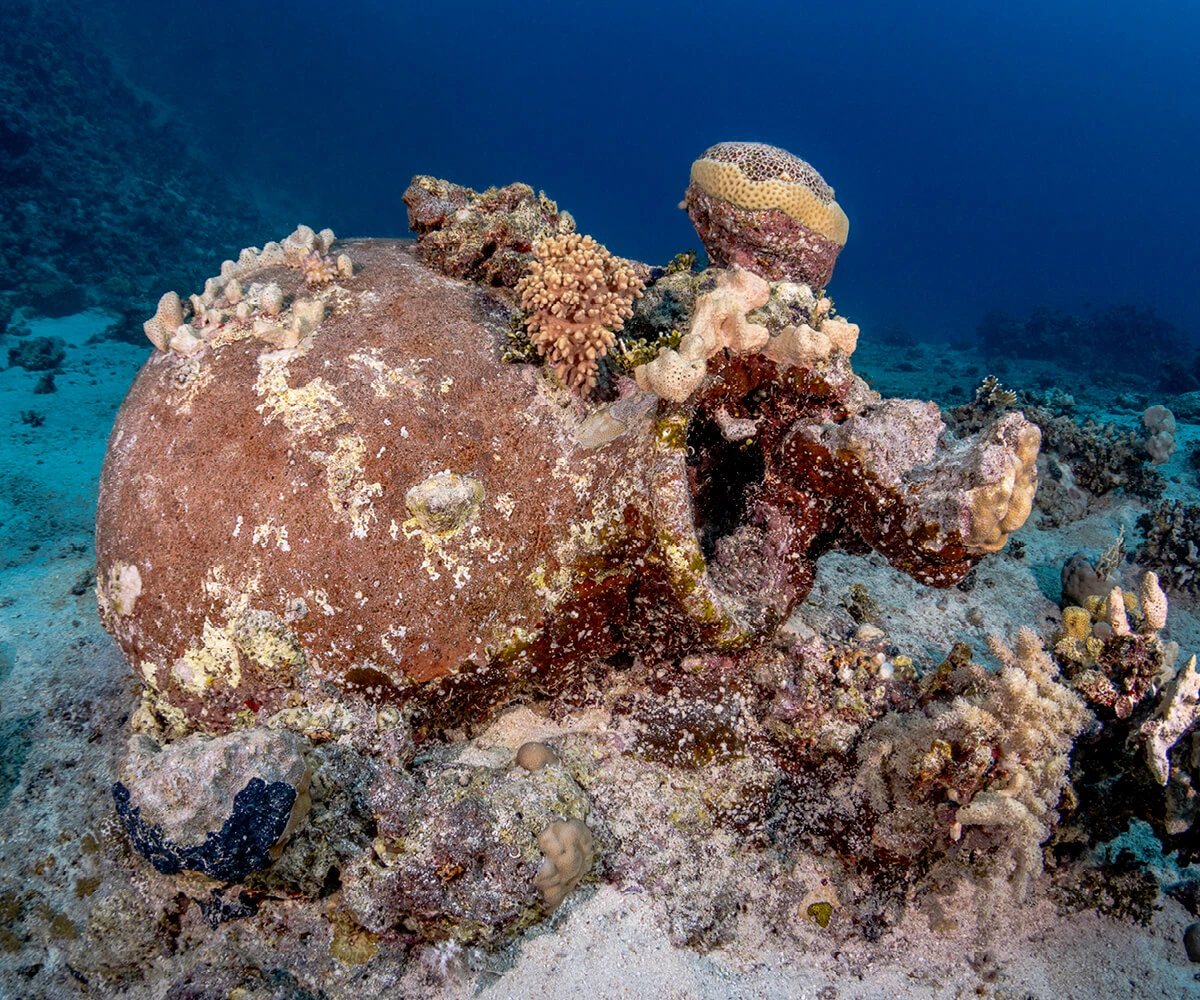
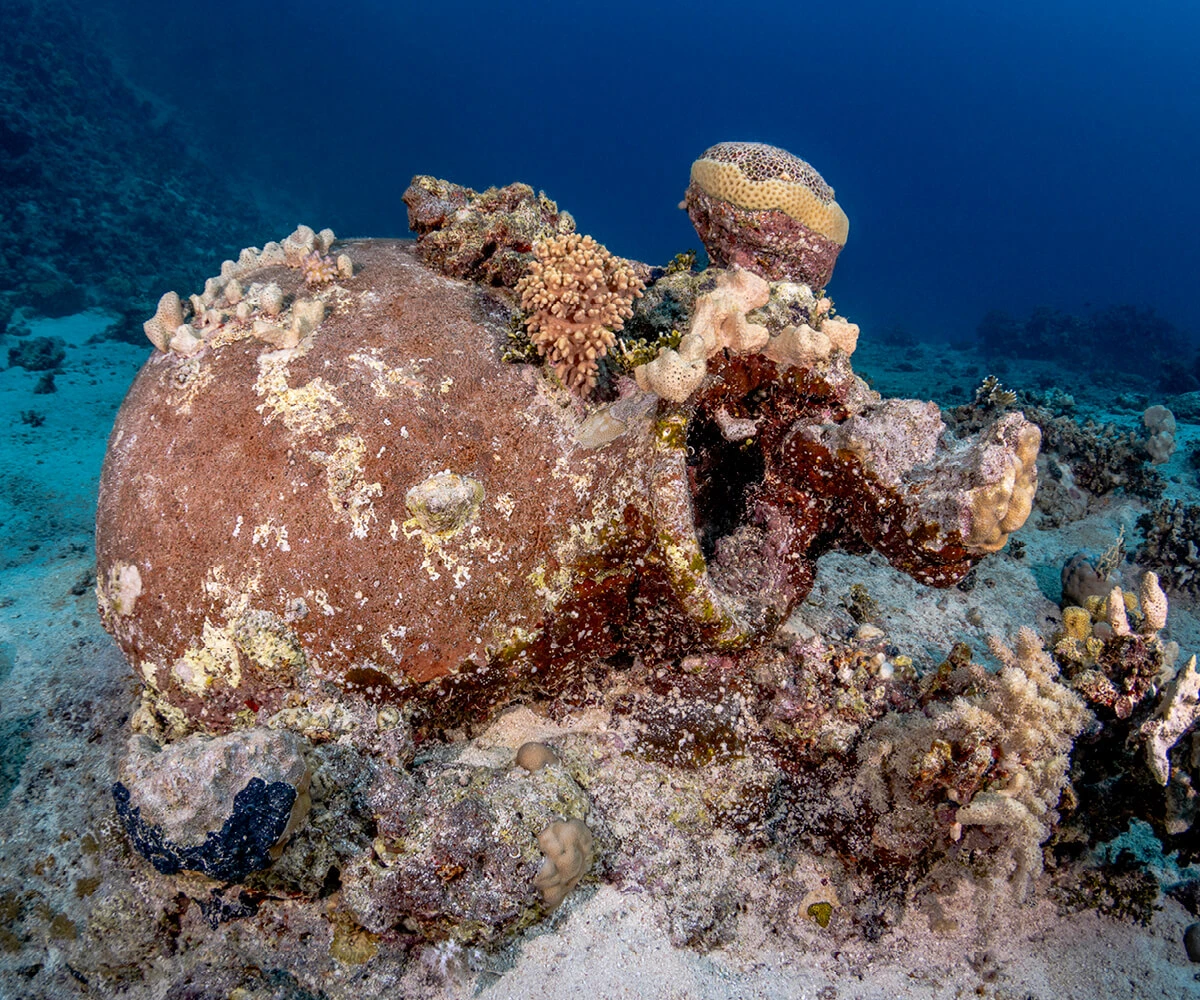
This dive offers the opportunity to blend a love for marine life and history together. However, one of the highlights of this dive is undoubtedly the clay urn that sits nestled into the sandy seabed at the south end of the reef. Coral has implanted itself on its surface, so be careful not to miss it. With no knowledge of its origin, it’s easy to imagine it may have fallen from one of the boats used to transport spices as part of the Silk Road. This historical trading route saw spice shipments from Southeast Asia and India heading to Europe via the Arabian Peninsula.
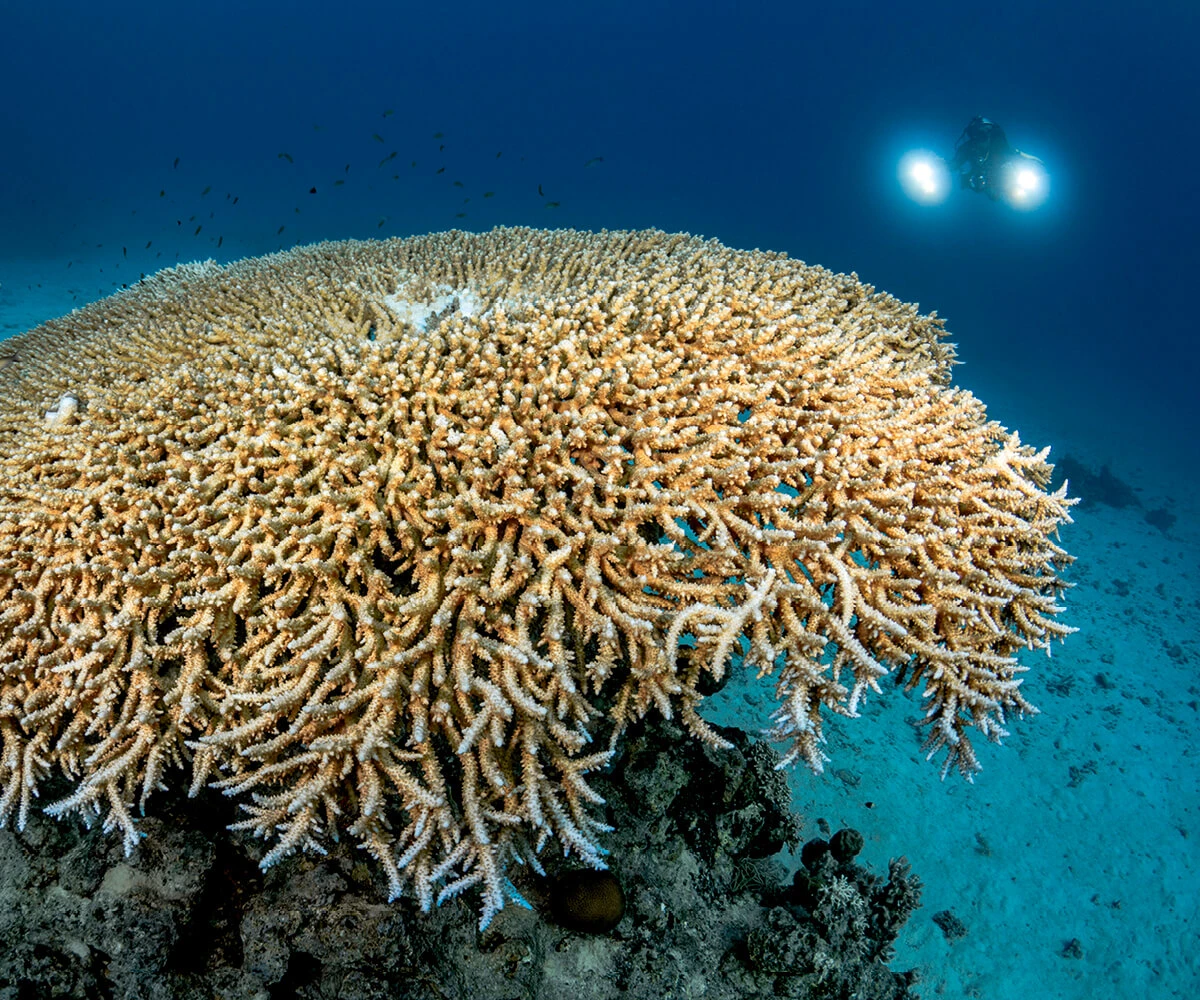
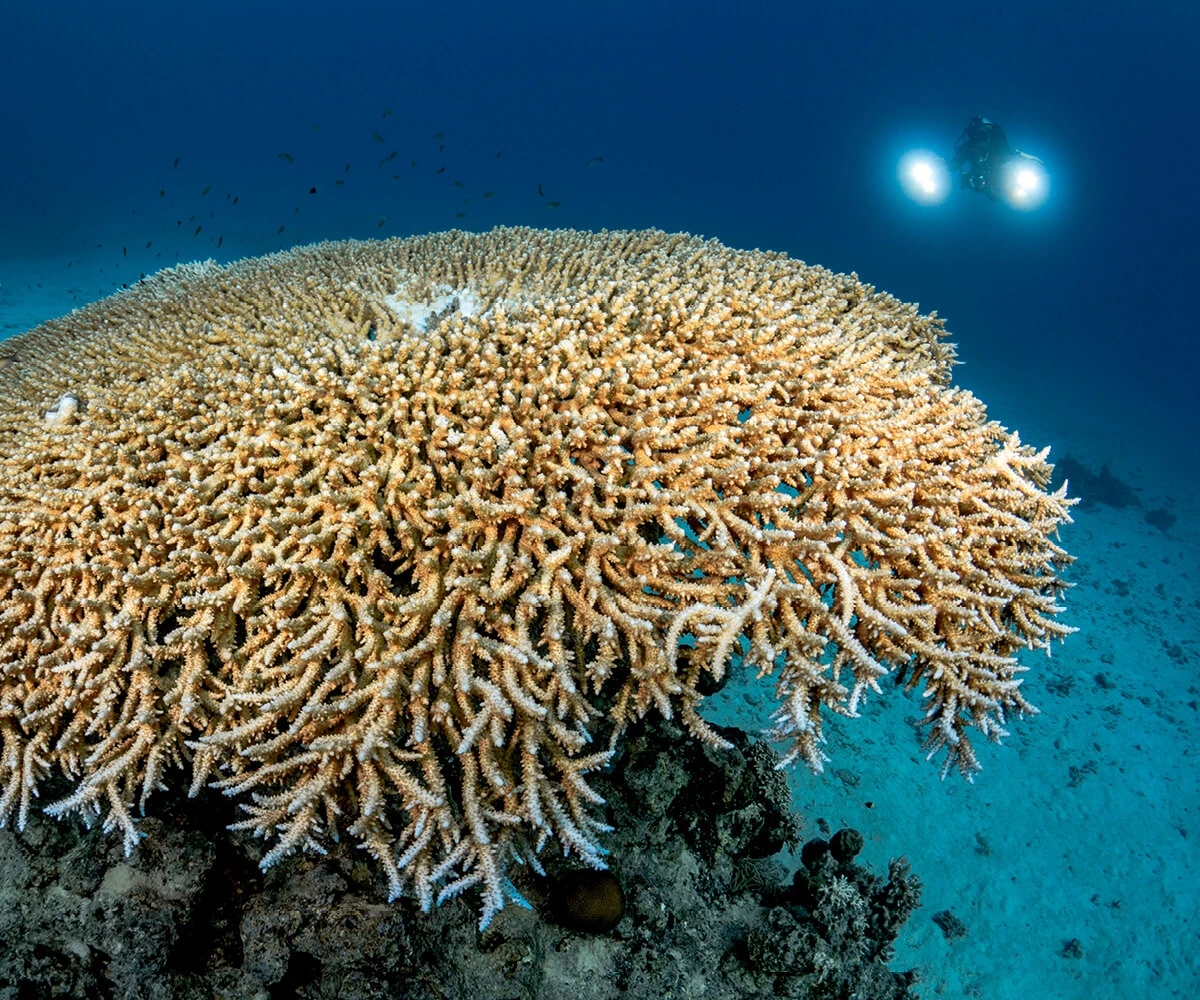
The dive route starts on the northeast corner of the reef, where divers can explore a huge satellite coral formation at a depth of 12m. Spend some time on the east side of the reef, exploring the pinnacles and large, bush-like corals. The current is barely noticeable and, with visibility at 15m, this dive is ideal for all.
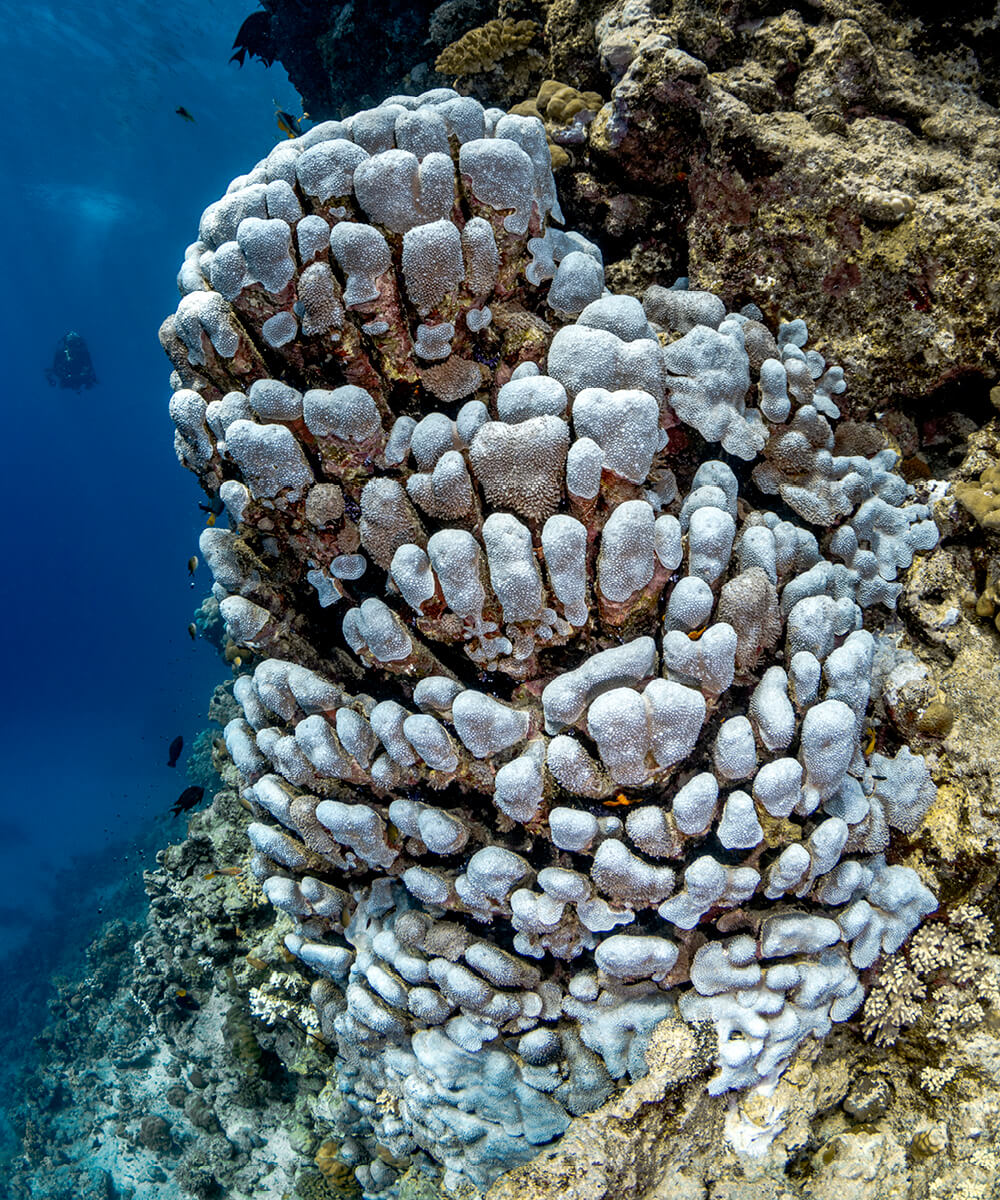
The coral pinnacles at this site look a little like cacti, providing a remarkable reminder that you’re diving in a land home to the world’s largest desert.