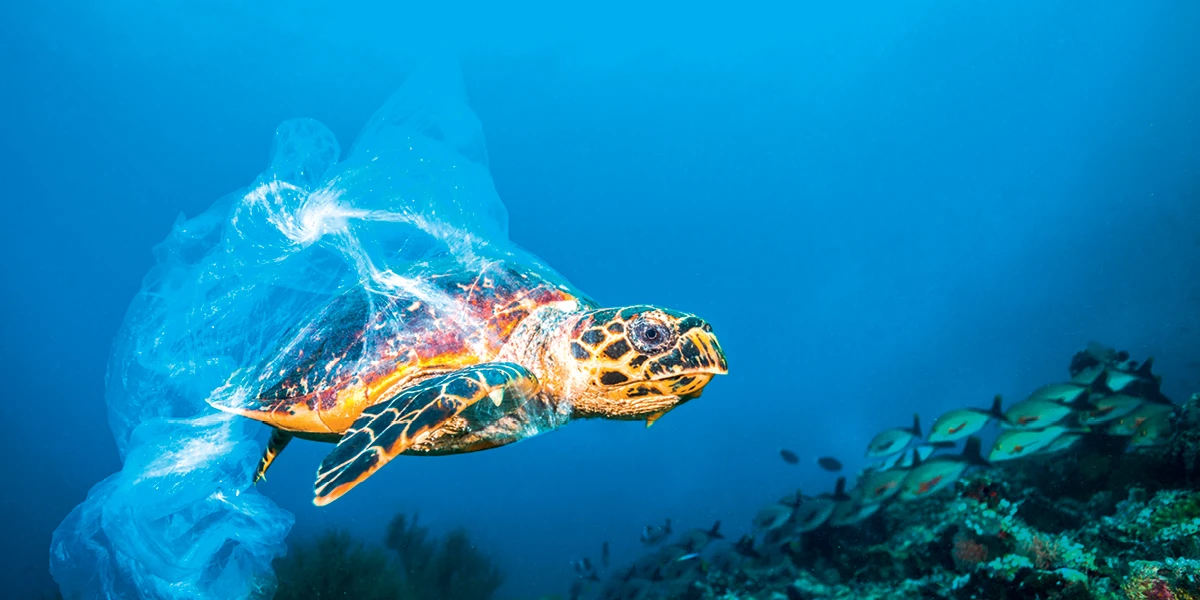
Every year, eight million tonnes of plastic enters the ocean, with most of it ending up buried on the sea floor, suspended deep in the water column, or perhaps even worse – degrading into tiny particles called nanoplastics, which are then ingested by marine life. Scientists at the Red Sea Research Center have discovered plastic waste makes up more than 90 per cent of the litter found in mangrove forests along the coast. In another study, scientists discovered microplastics, tiny plastic pieces less than five millimetres long, were being ingested by Red Sea giant clams.
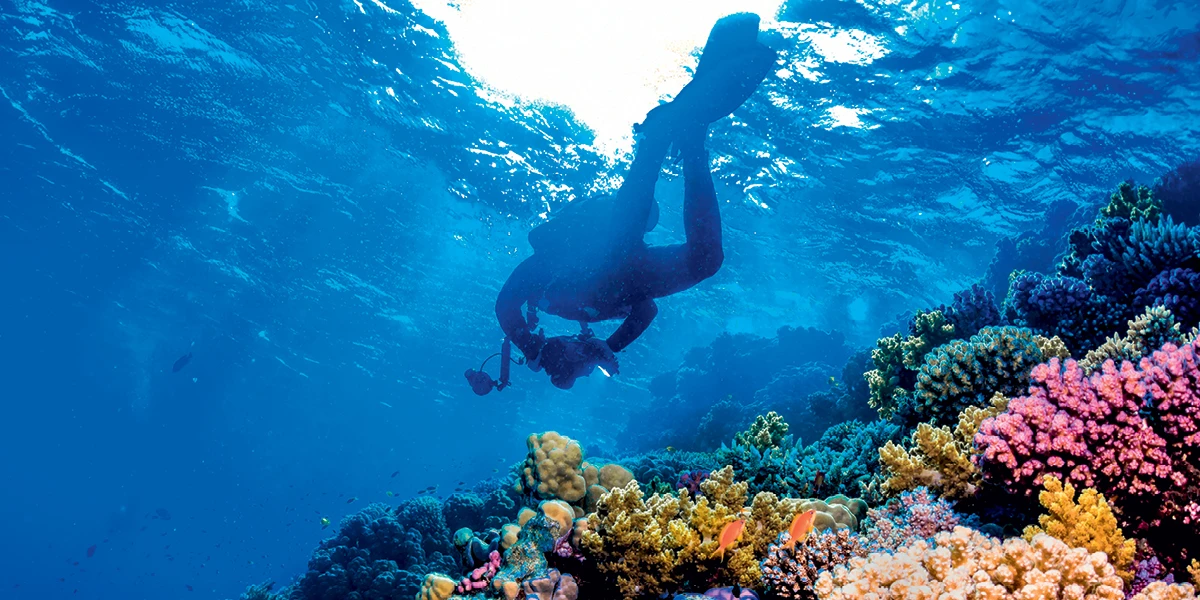
Plastic pollution is by far the greatest threat to Red Sea marine life and unsurprisingly, preventing plastic waste has become a top priority for the Kingdom of Saudi Arabia. As part of Vision 2030, the Kingdom has set out to improve the efficiency of waste management across the country and finalise a national strategy for a circular economy. In the meantime, everyone – divers included – has a responsibility to play their part.